Tag: ADAS

  • Gauzy, Ambarella Partner on AI-Powered ADAS Tech

    Gauzy, Ambarella Partner on AI-Powered ADAS Tech

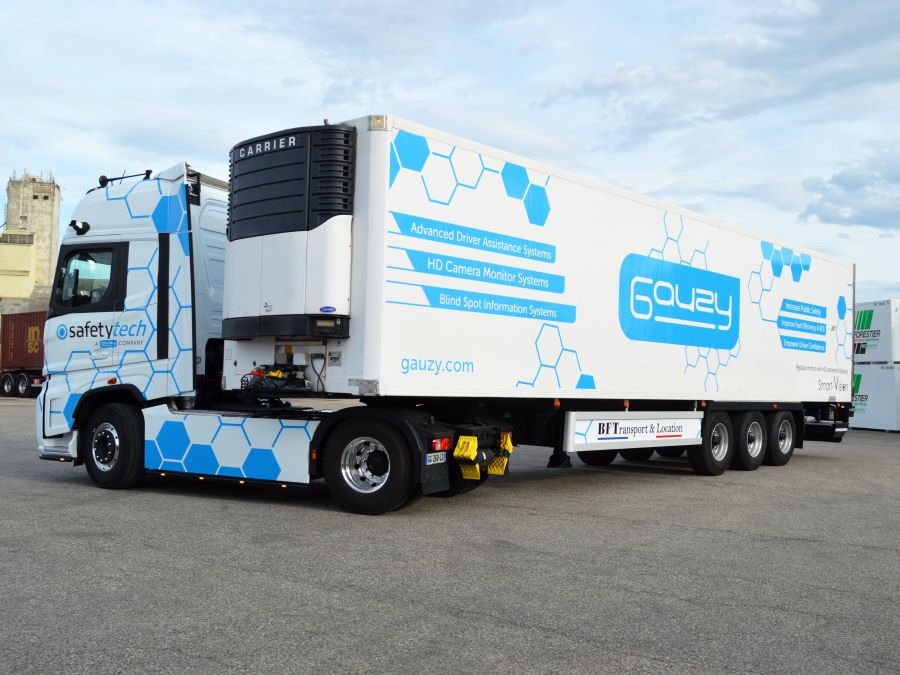
    NEW YORK and SANTA CLARA, CA, Feb 3, 2025 – Gauzy Ltd. has announced that its partnership with edge AI semiconductor company, Ambarella, Inc. , has led to innovations in the AI-ification of advanced driver assistance systems (ADAS) and their potential to enhance road safety and redefine urban mobility. Incorporating a CVflow AI system-on-chip (SoC) from Ambarella’s portfolio into the design of Gauzy’s AI-powered Smart-Vision camera monitor system (CMS) enhances road safety for drivers of commercial vehicles. The Gauzy solution, based on Ambarella’s CV2FS AI SoC, is already operational in Ford Trucks.
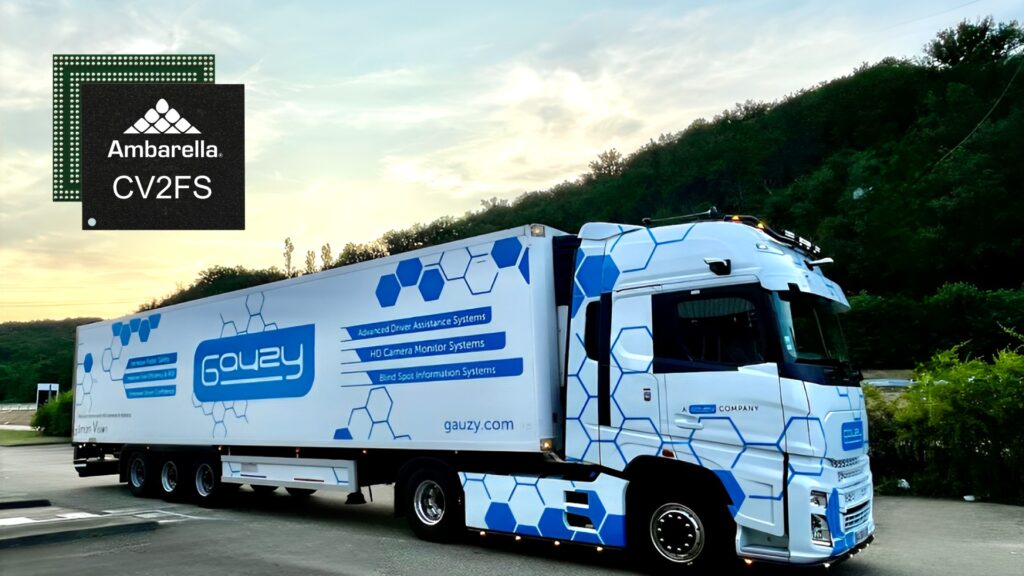
    CMS replaces conventional side and rearview mirrors with high-resolution cameras fitted on the vehicle. Often called e-mirrors, these systems stream live video footage on interior screens. They provide a wider field of view, reduce blind spots, and enhance road safety and visibility.

    AI-powered Smart-Vision CMS, based on Ambarella’s CVflow AI accelerator, features self-learning and predictive capabilities. These include adaptive maneuver lines that are displayed while a vehicle is in motion and during trailer calibration to provide drivers with better visibility of their surroundings, as well as the ability to analyze large amounts of data and imagery for reduced latency and real-time visibility. Moreover, Smart-Vision system is designed to spot potential road hazards early, helping to significantly lower the risk of accidents or fatalities. The system delivers rich visibility with quality images, across a wide variety of weather or lighting conditions. The Smart-Vision CMS’s monitoring feature helps prevent theft and vandalism, works with different truck models and configurations, and integrates easily into existing fleets.
    “It’s highly rewarding for us to be working so closely with Ambarella, a global leader in edge AI vision processing, to advance the functionality and quality of Smart-Vision,” stated Eyal Peso, CEO of Gauzy. “World-renowned brands like Ambarella trust Gauzy to utilize their proprietary technology to their full potential, and partner with us because of the success our products can have on saving lives and reducing costs. We recognized early on the monumental impact AI will have in redefining mobility and are proud to have already developed what we believe is the most sophisticated AI-powered ADAS solution on the market. We believe that enhancing our Smart-Vision® system with Ambarella’s CVflow AI SoCs, which provide industry-leading AI performance per watt, provides OEMs with an innovative solution as part of their ongoing efforts to improve the safety of their fleets.”

    The advanced smart-vision system is more popular with OEMs due to its cost, safety, and environmental advantages over traditional mirrors. As a result, OEMs are upgrading existing fleets with ADAS technology like Smart-Vision and integrating it into the designs of new models an escalating pace.That is a reason why the commercial-vehicle ADAS market is expected to reach more than $43 billion by 2030, according to Research and Markets. Replacing standard mirrors on trucks and buses with smart-vision improves safety by reducing errors, improved night vision, fewer blind spots, and enhancing obstacle and pedestrian detection. Additionally, the system offers better fuel efficiency, lower upkeep costs, and higher productivity.

    Peso added, “Despite the tremendous advancements we have already made in ADAS, we are still at the beginning of the AI-ification of vision control. We will continue to innovate and improve the quality of our products, to retain our competitive edge and produce for our shareholders. We are energized by the strong demand for our Smart-Vision® CMS and believe that we are well-positioned to capitalize on the renewed emphasis on safety in urban and intercity transport.”

    One key feature of Gauzy’s smart-vision system using Ambarella’s CVflow AI SoCs is its advanced image processing ability. This reduces latency and supports tasks like detecting vulnerable road users (VRUs), classifying objects, recording data, and streaming video. The architecture also lets Gauzy’s development team adjust settings to achieve better image quality with accurate color and contrast, essential for reducing driver fatigue.

    “Our partnership with Gauzy demonstrates the power of what’s possible when two forward-thinking organizations with similar values work together to tackle industry challenges,” commented Fermi Wang, president and CEO of Ambarella. “We were motivated to help Gauzy and its OEM customers address the millions of road traffic fatalities that are estimated to occur each year, and we believe the Smart-Vision® CMS, with our CVflow AI SoCs, has the potential to drive this number lower. There is universal support for making our roadways safer, and we are pleased to help play a role in this effort through the application of our technology.”

    The smart-vision CMS has passed homologations and certifications for safety, including United Nation (UN) R46, UN R10, UN R118 and UN R151, as well as cybersecurity Automotive Spice standards set by OEMs, including UN R155 and UN R156.

    About Gauzy

    Gauzy Ltd., established in 2009 and headquartered in Tel Aviv, Israel, is a leader in vision and light control solutions. The company specializes in developing, manufacturing, and marketing technologies such as suspended particle devices (SPD) and liquid crystal (LC) films for smart glass applications, as well as advanced driver assistance systems (ADAS) and camera monitoring systems (CMS). Gauzy serves various industries, including automotive, aeronautics, architecture, and safety technology. As of 2024, the company employs approximately 640 people. In the trailing twelve months ending June 30, 2024, Gauzy reported revenues of approximately $90 million. With a global presence, including production facilities in Israel, Germany, Canada, China, Singapore, France, United Arab Emirates and the United States, and sales and marketing centers in multiple countries, Gauzy continues to innovate in light and vision control technologies, transforming user experiences across various sectors.

    About Ambarella

    Ambarella, Inc., founded in 2004 and headquartered in Santa Clara, CA, is a fabless semiconductor design company specializing in low-power, high-definition (HD) and Ultra HD video compression, image processing, and computer vision processors. The company’s system-on-chips (SoCs) are utilized in various applications, including video security, advanced driver assistance systems (ADAS), electronic mirrors, drive recorders, driver and in-cabin monitoring, autonomous driving, and robotics. Ambarella serves industries such as automotive, security, consumer electronics, and industrial automation. As of 2024, the company employs approximately 915 individuals. In the fiscal year ending January 31, 2024, Ambarella reported revenues of $226.5 million.
  • Outsight, Hesai, and Embotech Collaborate for BMW’s AVM System

    Outsight, Hesai, and Embotech Collaborate for BMW’s AVM System

    STUTTGART, Germany, Jan 30, 2025 – Hesai Technology, Outsight, and Embotech AG has announced a collaboration to deliver cutting-edge lidar technology and perception software for Embotech’s AVM technology deployed in BMW facilities and known internally at BMW as Automated Driving In-Plant (AFW). The collaboration brings together industry leaders in autonomous driving solutions and sensing technology.

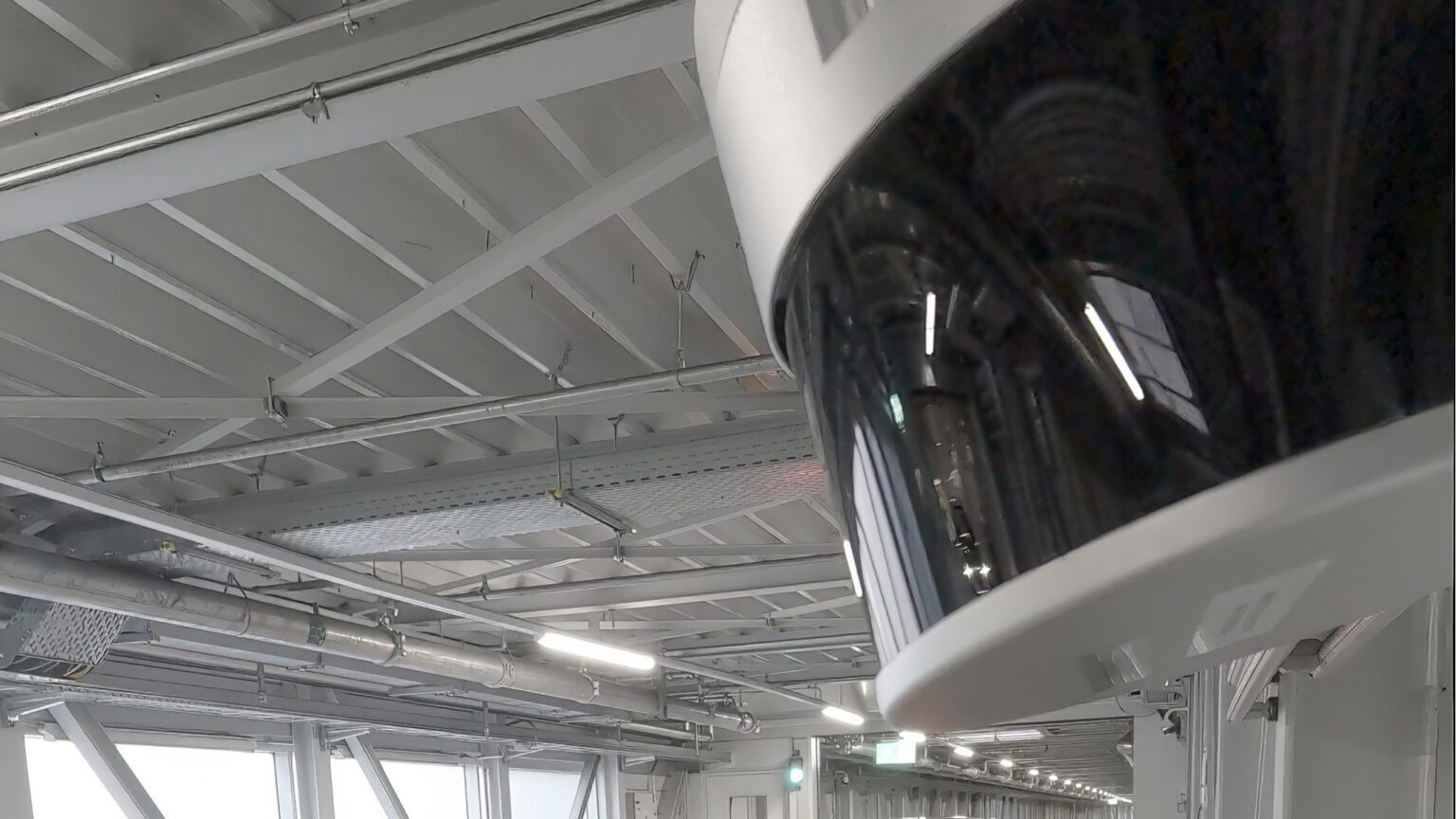
    Hesai lidar at a BMW facility equipped with the Automated Driving In-Plant solution. ©BMW AG

    Embotech is the system provider for BMW’s recently announced Automated Driving In-Plant series operation and global rollout. For the AVM solution, Outsight plays a key role with its advanced lidar software platform that tracks the ego-vehicle and the surrounding obstacles within BMW’s production facilities, while Hesai supplies its industry-leading lidar sensors, renowned for their accuracy and reliability, which act as the “eyes” of the AVM system.

    Embotech, Outsight and Hesai have successfully collaborated for several years, jointly advancing lidar and perception solutions for autonomous driving. The companies are global leaders in their respective fields, driving innovation in lidar as well as perception technology. This latest strategic collaboration builds upon a strong foundation, enabling the companies to provide best-in-class technology for AVM, which is safety rated, fulfilling the highest performance and availability requirements.

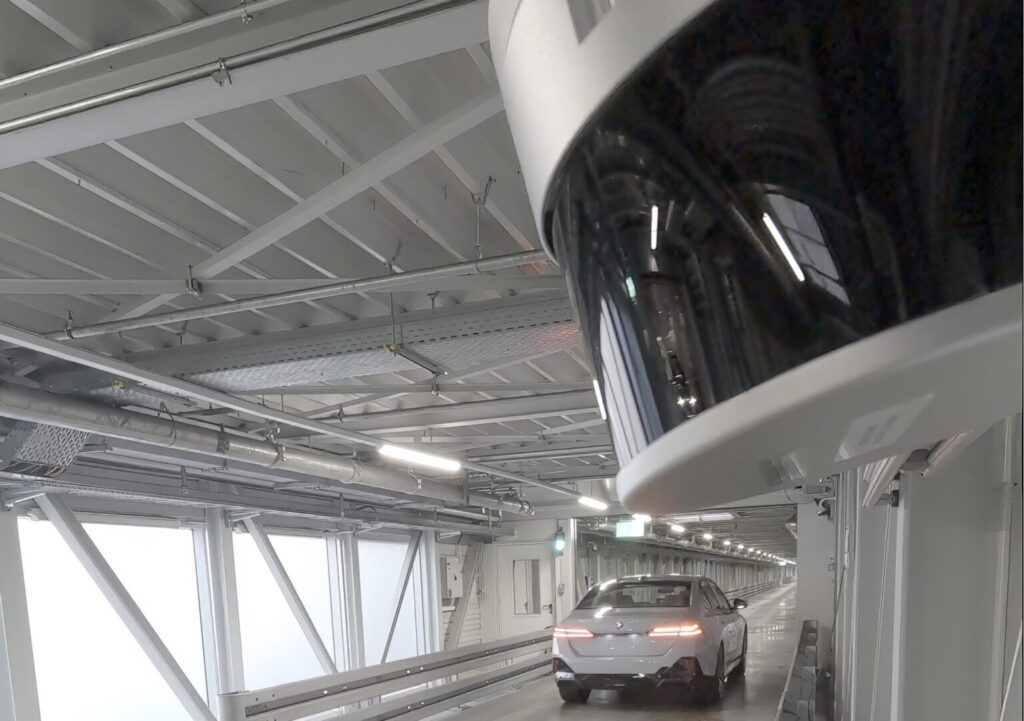
    A BMW vehicle operating autonomously in a production facility. ©BMW AG

    “Hesai is proud to partner with Embotech and Outsight to deliver cutting-edge lidar technology for BMW’s AVM system,” says Dr. David Li, CEO and co-founder of Hesai Technology. “This state-of-the-art technology demonstrates the high level of precision and safety offered by our lidar and Outsight’s perception software for Embotech’s autonomous driving solutions. We look forward to continuing our collaboration and bringing this technology to more factories around the world.”

    “The combination of Outsight’s sophisticated lidar software platform and Hesai’s reliable lidar sensors perfectly complements Embotech’s autonomous driving expertise,” says Dr. Alexander Domahidi, CTO and founder of Embotech. “This collaboration ensures the highest standards of safety and efficiency in BMW’s automated vehicle operations.”

    According to Raul Bravo, president and co-founder at Outsight, “Our collaboration with Embotech, Hesai, and BMW highlights the increasing maturity of LiDAR technology, particularly the software underpinning it. Its application to real-world factory conditions demonstrates its ability to enhance industrial safety and efficiency, while underlining the importance of a comprehensive framework to realise the potential of autonomous driving.”

    The integrated system is managing the movement of new vehicles through production and logistics steps at three BMW plants. This launch is the first stage of a broader rollout to several facilities in Europe and North America.

    This partnership marks a major advancement in industrial automation. It integrates Embotech’s trusted autonomous driving expertise with Outsight and Hesai’s leading perception technology.

    About Hesai Technology

    Founded in 2014 and headquartered in Shanghai, China, Hesai Technology is a global leader in three-dimensional light detection and ranging (LiDAR) solutions. The company develops, manufactures, and sells LiDAR products that serve a broad spectrum of applications, including Advanced Driver Assistance Systems (ADAS) for passenger and commercial vehicles, autonomous driving vehicles, and various robotic applications such as last-mile delivery robots and automated guided vehicles (AGVs). The company supplies ADAS lidar to 6 of the top 10 global OEMs by revenue and is ranked No. 1 in the ADAS lidar market globally, with a 26% market share. As of 2023, Hesai employs over 1,100 people and has established offices in Shanghai, Palo Alto, and Stuttgart, with customers spanning over 40 countries. In 2023, the company reported revenues of approximately $250 million. Hesai integrates its in-house manufacturing process with LiDAR research and development, enabling rapid product iteration and ensuring performance, quality, and affordability.

    Source: Hesai Technology

  • Keysight, KD Partner to Enhance Multigigabit Automotive Ethernet Testing

    Keysight, KD Partner to Enhance Multigigabit Automotive Ethernet Testing

    SANTA ROSA, CA, Jan 29, 2025 – Keysight Technologies and KD, Inc., have collaborated to create a comprehensive test for multigigabit optical automotive Ethernet physical layer. The companies have jointly developed a Transmitter Distortion Figure of Merit (TDFOM) measurement and signal analysis metric validating PMD transmitter conformance based on the IEEE 802.3cz and Open Alliance.

    Image Source: KD, Inc.

    Modern day vehicles contain over 100 million lines of code, pushing the limits of their hardware capabilities to support an unprecedented combination of infotainment systems, advanced driver-assistance systems (ADAS), and computing power. Future vehicle computing systems are shifting toward centralized designs, with software-driven functions and increased data sharing across fewer engine control units (ECUs). Thus, backbone communications links push to ever-higher speeds in the multi-gigabits-per-second range.

    In response, the industry has created new automotive Ethernet standards, with IEEE 802.3cz being the highest data rate multi-gigabit standard. Published in 2023, the standard supports operations up to 50 Gb/s over glass optical fiber, specifying physical-layer requirements and management parameters for 2.5-, 5-, 10-, 25-, and 50-Gb/s operations in automotive environments. The standard is designed to meet the demands of modern in-vehicle networking platforms.

    The newly developed TDFOM measurement and signal analysis metric represents a significant advancement in evaluating multigigabit optical signal quality in glass optical fiber transmission. As specified in IEEE 802.3cz, TDFOM measurements utilize a reference receiver that models typical integrated circuit (IC) implementation, ensuring transmitter interoperability through signal integrity validation. This metric is essential for calibrating reference transmitters and enabling compliance testing of optical receivers.

    Combining KD’s software-based reference receiver and signal metric analysis capabilities with Keysight’s optical-to-electrical converter (O/E) and oscilloscope technology delivers a comprehensive testing platform that evaluates a transmitted optical signal’s ability to achieve the required system Bit Error Rate (BER) after passing through a worst-case optical channel and a reference receiver. This development emerged from both companies’ active participation in establishing the final TDFOM specification during the IEEE 802.3cz standard development.

    Rubén Pérez-Aranda, KD’s CTO and co-founder, said, “With this agreement, we make a big step in providing OEMs and Tier-1 companies with the necessary means to test the quality of developments incorporating optical communications according to the IEEE Std 802.3cz. Keysight and KD have collaborated in IEEE 802.3 to define the tests and metrics that ensure the new Ethernet communications standard meets the quality requirements demanded by the automotive industry.”

    Thomas Goetzel, vice president and general manager of Keysight’s automotive & energy solution, highlighted the importance of this agreement: “Automotive Ethernet technologies have evolved and now derive significant benefits from optical fiber technologies for enabling multigigabit in-vehicle networking. Our innovative test and measurement equipment, combined with KD’s expertise in optical measurements, aims to assist customers in exploring reliable high-speed links in in-vehicle networking.”

    This collaboration combines KD’s skills in developing new technologies with Keysight’s testing tools. It helps OEMs and Tier-1 suppliers test and improve advanced technologies. The partnership supports innovation, improves compatibility, and promotes the use of advanced optical communication standards in the automotive industry.

    About Keysight Technologies

    Keysight Technologies, established in 2014 as a spin-off from Agilent Technologies, is a leading provider of electronic design and test solutions. Headquartered in Santa Rosa, CA, the company offers a portfolio of hardware and software products, including oscilloscopes, signal generators, and electronic design automation (EDA) software. The solutions serve industries, such as telecommunications, aerospace and defense, automotive, energy, semiconductor, and general electronics. As of 2024, Keysight employs approximately 15,500 people and reported annual revenue of $5.0 billion. The company’s global presence spans the Americas, Europe, and Asia Pacific, supporting over 30,000 customers in more than 100 countries. Keysight is known for driving innovation, with over 3,800 patents and a focus on research and development.

    About KD Inc.

    KD, Inc. is a fabless semiconductor company headquartered in Tres Cantos, Madrid, Spain. Established in 2010, it specializes in high-speed optical networking solutions, particularly for harsh environments. The company provides semiconductors designed to enable optical communication over fiber optics, offering products for automotive, industrial, and consumer applications. Their technology supports multi-gigabit speeds, making it ideal for automotive Ethernet, industrial data networks, and consumer devices such as Wi-Fi access points. KD Inc. has made advancements in optical communication, developing solutions that ensure performance in environments requiring high-speed and reliable data transmission. The company’s innovative solutions are integral to the evolving need for fast and efficient data transfer in various industries. The company plays a crucial role in advancing fiber optic technology for next-gen automotive and industrial applications.

    Source: Keysight

  • Mouser Electronics Expands Automotive Resource Hub for Engineers

    Mouser Electronics Expands Automotive Resource Hub for Engineers

    DALLAS and FORT WORTH, TX, Jan 28, 2025 – Mouser Electronics equips engineers with resources to create innovative designs with its comprehensive automotive resource center. The automotive industry is undergoing a rapid transformation, driven by technological advancements like reaching SAE Level 3 ADAS. This allows vehicles to operate completely on their own unless human control is needed. Improved lidar, radar, and cameras make this possible. This level of autonomy is changing transportation by boosting safety, reducing traffic congestion, and enhanced accessibility for people with disabilities.

    Fueled by the demand for eco-friendly choices, vehicles are evolving in every aspect. Zonal architecture, a new vehicle structure that divides functions into zones with dedicated computing power, enables faster processing speeds, simplified wiring, and seamless software updates, paving the way for software-defined vehicles (SDVs) like EVs and HEVs. As battery technology improves, EVs are becoming more affordable and practical, offering a viable alternative to gas-powered cars. Extended range and accelerated charging speeds put additional stress on EV/HEV batteries. Still, advanced thermal solutions, including shifting to DC chargers, efficiently manage the heat generated during the charging process.

    Mouser’s automotive content hub is a one-stop source for engineers to stay ahead of the curve. It has extensive articlesblogseBooks, and products from Mouser’s technical team and trusted manufacturing partners. For  navigation, the hub is separated into sub-sections, including EV/HEVautonomyinfotainment, and engine and drive train. There are  articles on the latest innovations in commercial vehicles and trucks of tomorrow, with choices from autonomous trucks to drones.

    Mouser stocks the industry’s widest selection of semiconductors and electronic components, including the following products and solutions for automotive applications:

    • The TPS650320-Q1 automotive camera power management ICs (PMICs) by Texas Instruments are highly integrated power solutions for automotive camera modules. This device combines one low-dropout (LDO) regulator and three step-down converters. The LDO and the step-down converters have separate voltage inputs, enabling maximum design and sequencing flexibility.
    • The AS0149AT CMOS digital image sensors from onsemi are designed for automotive use and offer a wide range of output formats, including RGB888, YUV422, BT.656, or BT.601. With rolling-shutter readout, these sensors capture color images in linear or high dynamic range mode, excelling in low light and high dynamic range scenes thanks to 3µm BSI pixel and up to 120dB HDR capture capability.
    • The MX150 mid-voltage connectors from Molex are designed to meet the growing demand in the automotive industry for 48V electrical systems. These connectors offer a reliable and field-tested solution for mid-voltage connectivity requirements within the transportation industry, using the same package size and housing as proven MX150 connectors. The connectors are ideal for electric motor generators, e-chargers, and more.
    • The HIVONEX high-power charging inlets by TE Connectivity support high-power charging, reducing downtime and maximizing productivity. The inlets feature a rugged design and can support continuous higher-power charging of up to 500A for quick charging. These inlets allow vehicles to work in harsh off-highway conditions without the risk of a charging failure. They are suitable for charging battery electric vehicles with either AC or DC charging.

    About Mouser Electronics

    Mouser Electronics, established in 1964 and based in Mansfield, Texas, is a global distributor of semiconductors and electronic components. The company supports industries like automotive, aerospace, consumer electronics, and telecommunications. It offers over one million unique products from more than 1,200 top manufacturers, including Texas Instruments, Intel, TE Connectivity, and Analog Devices. Mouser operates 28 locations worldwide and employs more than 4,000 people. Its annual revenue exceeds $4 billion, making it the seventh-largest electronic component distributor globally. The company’s distribution facility in Texas spans one million square feet, ensuring fast order processing and shipping to over 650,000 customers in 223 countries and territories. As part of TTI, Inc. and the Berkshire Hathaway group of companies, Mouser remains focused on providing design engineers and buyers with the latest products and technologies.

    Source: Mouser

  • Hexagon App Evaluates ADAS and Autonomous Systems with VTDx

    Hexagon App Evaluates ADAS and Autonomous Systems with VTDx

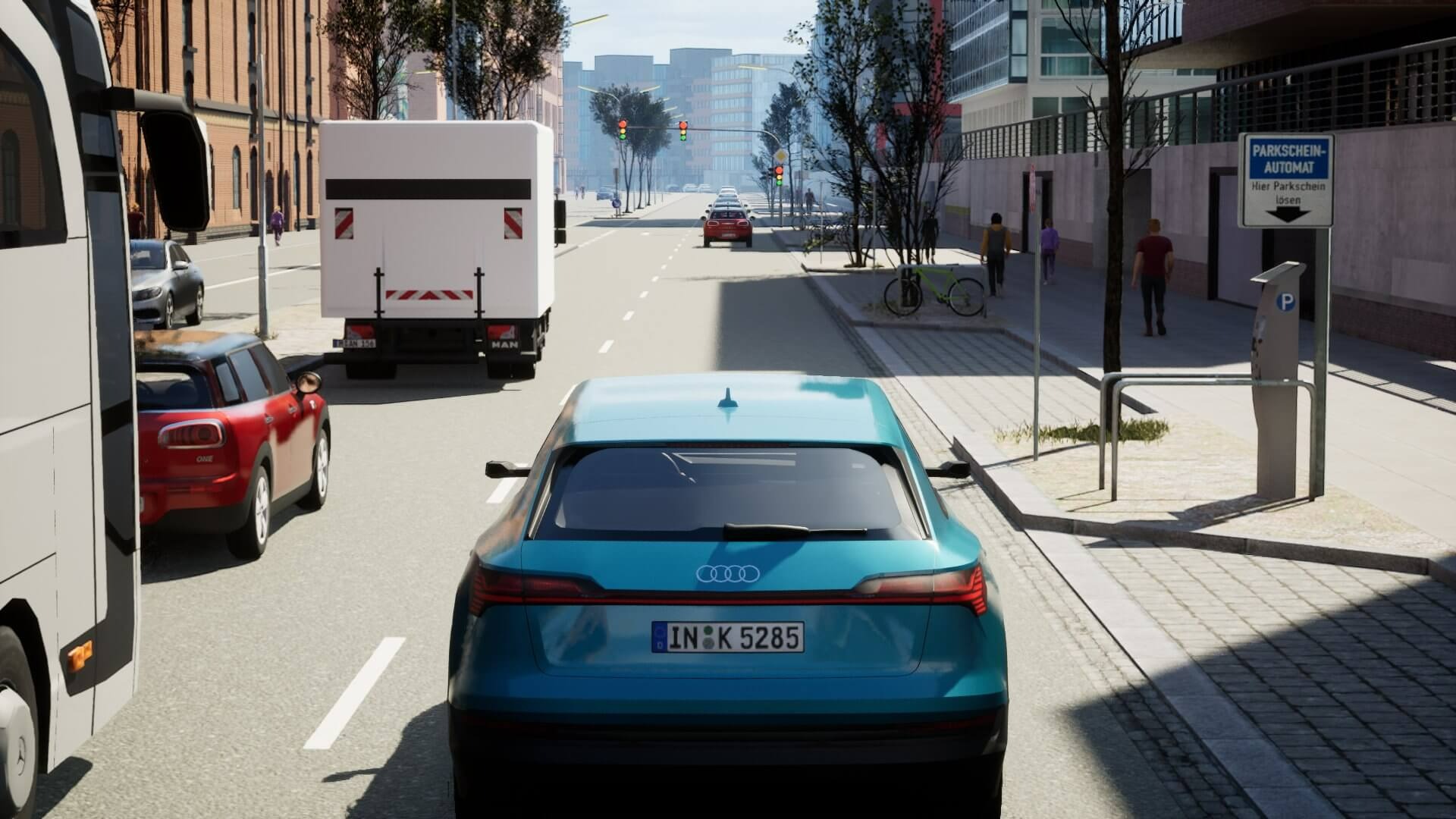
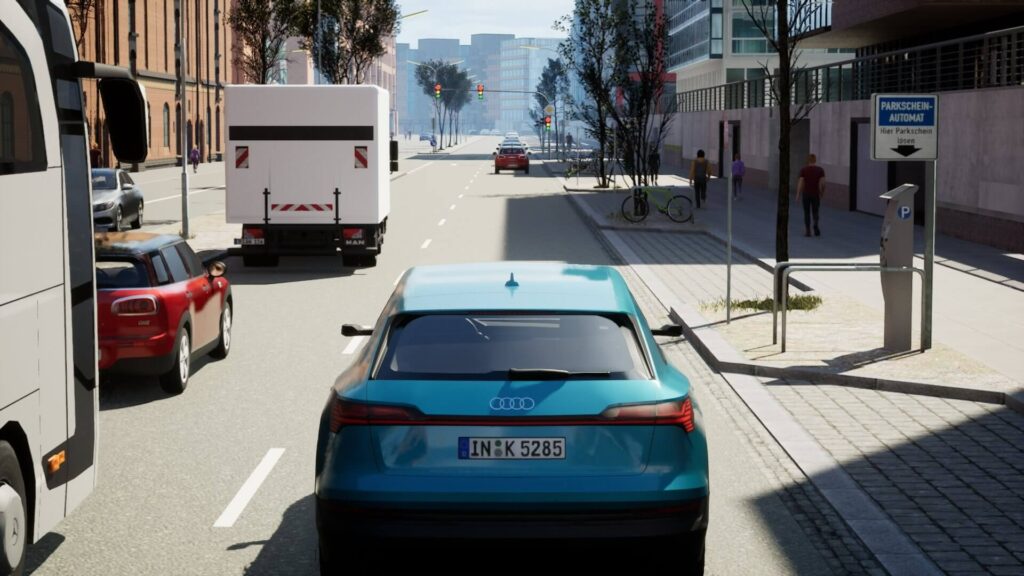
    Hexagon’s Manufacturing Intelligence division introduces a new cloud-native solution to test, train, and validate Advanced Driver-Assistance Systems (ADAS) and autonomous vehicle systems. Utilizing hyperscale computing and automation, Virtual Test Drive X (VTDx) enables the automotive industry to validate the quality and function of software against thousands of real-world scenarios automatically, accelerating the time to market for safe mobility innovations.

    Software plays an increasing role in vehicle design, enabling innovations that deliver convenience and safety for customers, but today’s software-defined vehicles (SDVs) are putting more pressure on the automotive teams delivering ADAS features. As vehicles integrate more sensors, adopt advanced chips and operating systems and apply increasingly complex AI and software algorithms, software development and testing create bottlenecks that delay vehicle launches and feature deployment. Safety and compliance is paramount, but the business impact is also tangible – underperforming ADAS features frustrate customers and vehicle recalls significantly impact brand loyalty and profits.

    Ensuring the quality and safety of ADAS software developments is cost and time intensive, but critical because the cost of fixing defects when a vehicle is ready for production is fifteen times greater. VTDx addresses these challenges with a comprehensive consumption-based service that makes it easier to scale up virtual prototyping and mitigate the delays, high-cost, and safety risks associated with physical testing. SaaS is built from the bottom up to utilize the cloud computing power and automation of Hexagon’s Nexus digital reality platform, enabling software teams can build rigorous testing into their continuous test and integration workflows for ADAS and autonomous vehicle systems.

    From an intuitive Web interface, ADAS engineers can easily create and configure their system under test (SUT) such as ADAS algorithms. They can validate their SUT with highly accurate physics-based simulations from Hexagon’s environment simulation engine that leverages its 15 years of domain expertise. When developers run a test, VTDx executes the OpenDRIVE and OpenSCENARIO standard compliant software-in-the-loop (SIL) test programs. By orchestrating tens or thousands of simulations of – as many scenarios as needed – automatically and simultaneously, companies can significantly reduce delays in configuration and computing time for their standardized SIL test programs.

    VTDx addresses the dramatic change in ADAS as electrical/electronic (E/E) architectures are centralized and regulations become more stringent. It enables new SDV testing strategies that align with modern software development practices and embeds vital physical safety testing practices that are unique to the ADAS component of the vehicle codebase. Its high-productivity, highly scalable code test and integration approach provides:

    • Continuous integration and continuous testing (CI/CT): Enables continuous development, integration, and testing, allowing for faster software iterations and releases.
    • Seamless workflow integration: Integrates with existing ADAS development toolchains, embedding into existing customer workflows with modern, well-defined APIs and open environment simulation standards.
    • Ease of use: Intuitive configurations of sensors and test scenarios with user-friendly operation.
    • Scalability: Supports parallel scenario execution and real-time collaboration among global teams, making it scalable for various ADAS development needs.
    • Cloud availability: Available as a public or private SaaS, VTDx can be deployed by small and large organizations with consumption-based pricing and 24/7 availability.
    • Accessibility: Users can share a project with global team members, making scenario setups and results available in real-time through an intuitive web-based user experience.

    VTDx has received positive feedback from Hexagon’s automotive customers, including OEMs and Tier 1 suppliers. User-friendly interface, high productivity, and ability to automate thousands of code-test simulations, including the consumption-based pricing, are also benefits.

    It was developed in collaboration with the Microsoft Azure team, realizes photorealistic visualization via the Unreal Engine, and provides full support for the ASAM-maintained OpenSCENARIO and OpenDRIVE standards.

    “We embarked on a journey to build our cloud-based ADAS simulation software from the ground up with CI/CT processes in mind, addressing the software development challenges our automotive customers face today. Whether aiming to increase test coverage, shorten test cycles, or automate workflows, our VTDx solution offers significant benefits.” said Mahesh Kailasam, general manager at Hexagon’s manufacturing intelligence division. VTDx enables automakers to rigorously test and validate their ADAS and autonomous vehicle systems in a SIL environment, ensuring safety and performance. It is available as a public SaaS with consumption-based pricing on Nexus, with private cloud deployments available on request.

    Source: Hexagon