Tag: Siemens

  • Siemens, DOMO Partner for Sustainability in Electrical Industry

    Siemens, DOMO Partner for Sustainability in Electrical Industry

    ERLANGEN and LEUNA, Germany, Feb 27, 2025 – Siemens Smart Infrastructure and DOMO Chemicals  announced a significant milestone in their joint effort to promote sustainable practices in the electrical industry. DOMO Chemicals has developed and validated a new, high-performance TECHNYL 4EARTH polyamide 6 (PA6) material to be used for Siemens applications that incorporate recycled content and advanced flame-retardant technology.

    For the first time, Siemens will use this material for electrical safety products. The innovative TECHNYL 4EARTH material, developed by DOMO Chemicals, will enable Siemens to produce covers and housings of the Siemens SENTRON 5SV3 residual current circuit breakers (RCCB), type A/AC while offering the same performance and quality as conventional materials, which is a prerequisite for a safety product. RCCBs enhance electrical safety by disconnecting power when they detect a current imbalance, preventing electric shocks and fires. They are essential in both residential and commercial electrical installations.

    Composed of 50 percent recycled content, including chemically recycled PA6 from various post-industrial and post-consumer sources such as fibers, textile filaments, and glass reinforcement, the material reduces the environmental impact of the manufacturing process without compromising performance or quality.

    Siemens: Advancing circularity in electrical safety

    Andreas Matthé, CEO Electrical Products at Siemens Smart Infrastructure. Image: Siemens

    “We want to lead the industry with smart and sustainable technology,” said Andreas Matthé, CEO of electrical products at Siemens Smart Infrastructure. “It’s our ‘new normal’ to deploy as much sustainable material as possible for each new product to support our customers in achieving both optimized operations and their environmental goals. We are delighted to promote circularity and responsible use of resources in the electrical and electronics industry together with our partner DOMO Chemicals”. 

    The SENTRON 5SV3 RCCBs, type A/AC, meet the criteria of the recently introduced Siemens EcoTech label. Besides using sustainable materials, the SENTRON RCCBs are designed to exceed the standard lifetime expectations set by IEC 61008-1. With an impressive 10,000 operating cycles, the devices offer superior mechanical and electrical life, ensuring steadfast performance and longevity. With SENTRON 5SV RCCBs, type A/AC, existing application functionality can be easily enhanced. The standardized accessory system allows easy hardware upgrades, including auxiliary switches, undervoltage releases, and more. This unified system of function extensions ensures that machines and switchboards remain productive and cost-effective for longer periods.

    About Siemens Smart Infrastructure

    Siemens Smart Infrastructure (SI), headquartered in Zug, Switzerland, is a division of Siemens AG that focuses on intelligently connecting energy systems, buildings, and industries to enhance the way we live and work. SI offers a portfolio of across-the-board building automation systems, heating, ventilation, air conditioning (HVAC) controls, fire safety and security systems, energy performance services, grid resilience solutions, and electric vehicle charging infrastructure. Serving sectors such as data centers, energy, and various industrial applications, SI addresses the challenges of urbanization and climate change by providing innovative solutions. In fiscal year 2024, SI achieved a profit margin of 17.3%. The division employs approximately 78,500 people globally.

    About DOMO Chemicals

    Founded in 1991, DOMO Chemicals is a Belgian company specializing in the production of engineering plastics, specialty polymers, and film chemicals. Headquartered in Leuna, Germany, the company serves various industries, including automotive, food, medical, pharmaceutical, and electronics. DOMO offers a comprehensive range of nylon resins and intermediates, complemented by polymers and chemicals, to meet diverse client needs. Over the years, the company has expanded its global presence through strategic acquisitions, such as the 2020 purchase of Solvay’s European Performance Polyamides Business, enhancing its position in the polyamide market. As of 2024, DOMO Chemicals employs approximately 2,000 professionals.
  • Siemens Announces User2User 2025 N America Conference

    Siemens Announces User2User 2025 N America Conference

    Image: Siemens

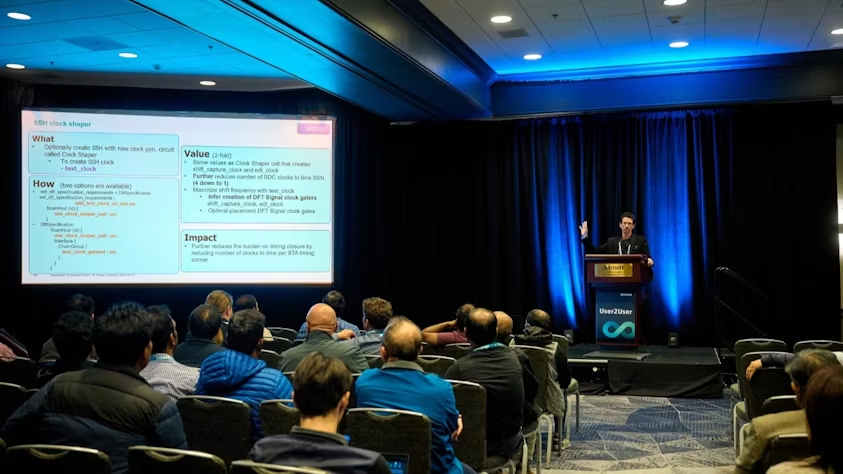
    PLANO, TX, Feb 20, 2025 – Siemens EDA, a part of Siemens Digital Industries Software, has announced the Siemens EDA North America User2User (U2U) 2025 Conference, taking place on Tuesday, May 20, 2025, in Santa Clara, CA.

    User2User is a free-of-charge technical conference designed by engineers for engineers, offering an opportunity for industry professionals to collaborate, learn, and innovate. The event will feature technical sessions, keynote presentations, hands-on labs, and networking opportunities, all aimed at advancing electronic design automation (EDA) technology and methodology.

    Technology Tracks & Sessions

    Attendees will gain insights into the latest advancements and solutions from Siemens EDA, covering key topics such as:

    • 3DIC Chiplet Package Design
    • AI/ML
    • Aprisa Digital IC Implementation
    • Calibre Solutions Driving Customer Success
    • Cloud Adoption
    • Custom IC
    • Functional Design & Verification
    • Hardware-Assisted Verification
    • High-Level Synthesis/Power Analysis
    • Tessent Test Solutions

    Exclusive Post-Conference Technical Training – May 21, 2025

    For the second year in a row, Siemens EDA is offering an optional second day of technical training on Wednesday, May 21, 2025. This exclusive training will provide in-depth instruction on:

    • Introduction to Software Design Pattern Concepts in SystemVerilog & UVM
    • Tessent & IJTAG

    Attendees of these specialized training sessions will receive a free Online Digital Twin (ODT) license for the full self-paced training course, allowing them to deepen their expertise and apply hands-on labs in Siemens’ virtual cloud-enabled environment.

    Registration & Cost

    • User2User Conference (May 20): Free of charge, including sessions, lunch, and parking.
    • Optional Technical Training (May 21): $350

    For more details and registration, please visit Siemens EDA U2U website.

    Source: Siemens

    About Siemens Digital Industries Software

    Siemens Digital Industries Software provides comprehensive solutions for digital transformation, offering software and services that enable companies to improve product design, manufacturing, and operational processes. It serves a wide range of industries including automotive, aerospace, industrial machinery, electronics, and consumer products. Siemens Digital Industries Software has contributed towards innovation in manufacturing and product lifecycle management (PLM). The company is headquartered in Plano, TX, and is part of Siemens AG.

  • Siemens, Compute Maritime Use AI to Enhance Ship Design

    Siemens, Compute Maritime Use AI to Enhance Ship Design

    Siemens and Compute Maritime (CML) are collaborating to revolutionize ship design and simulation and push the boundaries of generative AI in the ship design industry. Image: Siemens

    PLANO, TX, Feb 14, 2025 – Siemens Digital Industries Software announced a collaboration with Compute Maritime (CML) to modernize ship design and simulation and push the boundaries of generative AI in the ship design industry. The project connects Compute Maritime’s flagship platform for vessel design and optimization, NeuralShipper, with Siemens’ Simcenter STAR-CCM+ software for computational fluid dynamics (CFD) and results validation.

    Adopting new fuel types or energy-saving devices can enhance emissions reduction and fuel efficiency. However, existing ships were not designed to accommodate such technologies or fuels, limiting the potential for maximum savings. New ships must be purpose-built to integrate these technologies from the outset and leverage the advances.

    “Our collaboration with Compute Maritime represents a paradigm shift in maritime design,” said Dmitry Ponkratov, marine director, simulation and test solutions, Siemens Digital Industries Software. “The combination of NeuralShipper and Simcenter STAR-CCM+ aims to redefine how multidisciplinary design optimization is performed. It enables the creation of novel vessel types and demonstrates how designers can automate simulation processes and predict real-world performance, even for the most unconventional designs.”

    “Collaborating with Siemens is a game-changer for us. Many modern maritime design firms depend on Simcenter STAR-CCM+ for their CFD simulations, so working with Siemens brings tremendous value,” said Junaid Awan, CTO, Compute Maritime. “NeuralShipper and Simcenter STAR-CCM+ address this need by enabling rapid concept generation and robust design validation, making this collaboration both timely and essential.”

    Examples of designs generated with NeuralShipper. Whether adapting commercial vessel designs to accommodate new fuels and energy-saving devices, creating versatile workboats, or developing more efficient and aesthetically pleasing leisure yachts, NeuralShipper provides a comprehensive solution. Image: Siemens

    Optimizing Innovative Ship Design with Simulation

    Optimizing vessel performance during the design stage is critical. Compute Maritime’s NeuralShipper serves as a digital naval architect, empowering human naval architects in the preliminary design phase. It generates hundreds of design options within minutes, enabling teams to expedite concept development and proceed to the design phase. Siemens’ CFD software, Simcenter STAR-CCM+, then enables designers to automate simulation processes and accurately model the complexities of ship behaviors.

    Source: Siemens

    About Siemens Digital Industries Software

    Siemens Digital Industries Software provides comprehensive solutions for digital transformation, offering software and services that enable companies to improve product design, manufacturing, and operational processes. It serves various industries, including automotive, aerospace, industrial machinery, electronics, and consumer products. Siemens Digital Industries Software has contributed to manufacturing and product lifecycle management (PLM) innovation. The company is headquartered in Plano, TX, and is part of Siemens AG.

  • Aral Pulse Upgrades EV Charging with Siemens’ Electrification X

    Aral Pulse Upgrades EV Charging with Siemens’ Electrification X

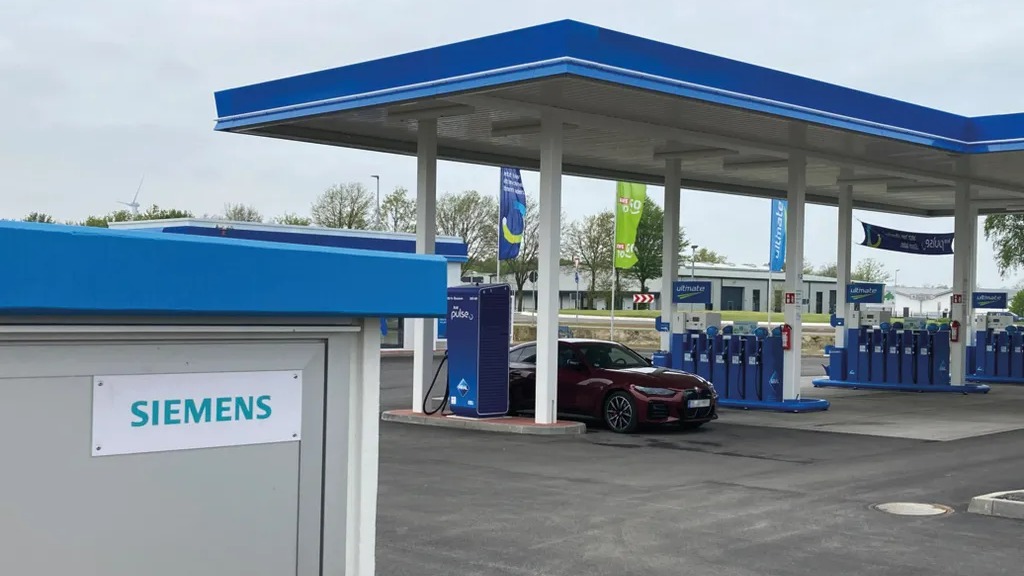
    Digital substations connecting Aral’s service stations for ultra-fast charging. Image: Siemens

    ZUG, Switzerland, Feb 6, 2025 – Siemens Smart Infrastructure has been awarded a five-year contract by Aral pulse to deploy Electrification X from the Siemens Xcelerator portfolio for its Aral e-mobility brand. Using Electrification X allows Aral pulse to centrally operate, optimize and secure Aral charging stations with ultra-fast electric vehicle charging technology.

    Siemens has delivered and commissioned in the past four years 300 intelligent substations and connected them to Electrification X. The digital substations powering the charging infrastructure for electric cars and trucks have an output of up to 400 kW. Depending on the vehicle, electric cars can charge up to 300 km in 10 min.

    “To make charging as quick as refueling vehicles with conventional fuels, we’re investing in ultra-fast chargers with outputs of up to 400 kW. But the chargers alone are not enough. Upgrades also require an efficient and reliable connection to the power grid. That’s why we’re happy to have Siemens on board as an expert in electrical infrastructure,” said Alexander Junge, member of the Aral AG Management Board in charge of the electromobility division.

    A dashboard provides real-time insight into all safety-related messages from the individual stations. Digital condition monitoring visualizes the entire energy distribution and all operating data at the medium- and low-voltage levels and highlights issues across the locations. A central service cloud for patches and updates, user management with multi-factor authentication, and a SIEM for attack detection make the systems NIS-2-compliant.

    The Electrification X dynamic load management solution offers insights into the performance and usage of EV charging networks, ensuring efficient and balanced charging. With dynamic load management and remote station control, it helps prevent capacity limitations from the distribution system operator that could lead to expensive penalties.

    “This project is a strong example of how we can connect the real and the digital worlds. The substations are the physical heart of the energy supply for Aral’s charging infrastructure, but without the connection to the digital world, each system would remain siloed. This central connection enables us to provide an efficient and secure charging infrastructure and, alongside Aral pulse, pave the way for sustainable and electrified mobility,” said Stephan May, CEO of electrification and automation at Siemens Smart Infrastructure.

    Furthermore, the installation of 350 additional digital substations at Aral’s service stations in Germany is already underway.

    Built on cloud services, Electrification X is designed to manage, optimize, and automate the challenging electrification infrastructure of commercial, industrial and utility customers. As a part of Siemens Xcelerator, an open digital business platform to accelerate digital transformation and value creation, the Electrification X IoT suite is developed according to the core design principles of interoperability, flexibility, openness, availability as a service, and the highest level of cybersecurity.

    About Siemens Smart Infrastructure

    Siemens Smart Infrastructure (SI), headquartered in Zug, Switzerland, is a division of Siemens AG that focuses on intelligently connecting energy systems, buildings, and industries to enhance the way we live and work. SI offers a portfolio of across-the-board building automation systems, heating, ventilation, air conditioning (HVAC) controls, fire safety and security systems, energy performance services, grid resilience solutions, and electric vehicle charging infrastructure. Serving sectors such as data centers, energy, and various industrial applications, SI addresses the challenges of urbanization and climate change by providing innovative solutions. In fiscal year 2024, SI achieved a profit margin of 17.3%. The division employs approximately 78,500 people globally.

    Source: Siemens

  • IoT Tribe, Siemens Launch Flywheel to Encourage AI  Startups

    IoT Tribe, Siemens Launch Flywheel to Encourage AI Startups

    LONDON, UK, Jan 30, 2025 – IoT Tribe has announced the launch of the Flywheel program, an initiative designed to encourage early-stage startups developing agentic AI and advanced technologies for the aerospace and defense sectors – developed in collaboration with Siemens Digital Industries Software. This program provides startups with Siemens’ engineering expertise, global networks, and advanced digital infrastructure. It helps them solve major industry issues while capitalizing on a multi-billion-pound market.

    A £400+ Billion Market Ripe for Transformation

    The aerospace and defense sector is expected to exceed £400 billion by 2030 due to growing global demand for AI-powered systems, autonomous technologies, and advanced analytics. These innovations improve operational efficiency, enhance safety, enable predictive insights, and support automated decision-making. This sector holds significant potential for transformative advancements.

    However, capitalizing on this market demands technology that is innovative, accessible, dependable, and meets strict industry requirements. Siemens’ Flywheel Program helps startups by providing resources, expertise, and connections to speed up market adoption and claim their share of this expanding sector.

    Tanya Suárez, founder & CEO of IoT Tribe, underscored the market opportunity and transformative nature of the program. She said, “5% of the S&P 500 gains in 2023 were driven by the Magnificent Seven either as key drivers or beneficiaries of AI acceleration. This program is not just about scaling innovation but also about equipping startups to compete in a high-growth market where the stakes—and the rewards—are higher than ever. Our collaboration with Siemens offers startups a unique launchpad to redefine the aerospace and defense industry.”

    “As the aerospace and defense sector continues to mature its digital transformation, the role of AI in solving high-stakes challenges is expanding rapidly. If the impact AI will have on the A&D industry could be measured by a 12 hour clock, right now we are at 5 seconds,” said Todd Tuthill, vice president of the aerospace and defense industry at Siemens Digital Industries Software. “The Flywheel program is designed to help startups break through barriers to market entry and deliver scalable solutions that address these urgent needs and move the industry well beyond the first 5 seconds.”

    Cultivating AI and Agentic AI to Reshape the Industry

    The program focuses on startups developing agentic AI solutions—systems that go beyond automation by thinking, learning, and acting autonomously in complex, real-time environments. These technologies are poised to revolutionize operations across the Aerospace and Defense supply-chain.

    These innovations, Siemens aims to position its partners at the forefront of a rapidly evolving market.

    Unrivalled Resources for Scaling Innovation

    The Flywheel Program offers startups an accelerated pathway to success, with access to:

    • Expert Guidance & Support: Leveraging of Siemens’ industry expertise to reduce operational and technical risks, increasing the confidence of customers in your solution.
    • Cutting Edge Tools & Infrastructure: Use of software from the Siemens Xcelerator portfolio of industry software, enabling streamlined product development and validation.
    • Exclusive Collaboration Networks: Exposure to Siemens’ extensive ecosystem of partners, enabling fast-tracked market engagement and fostering strategic collaborations with other forward-thinking ventures.

    These resources help startups quickly create, validate, and launch technologies that meet industry demands, giving them an advantage in gaining market share.

    About Siemens Digital Industries Software

    Siemens Digital Industries Software provides comprehensive solutions for digital transformation, offering software and services that enable companies to improve product design, manufacturing, and operational processes. It serves a wide range of industries including automotive, aerospace, industrial machinery, electronics, and consumer products. Siemens Digital Industries Software has contributed towards innovation in manufacturing and product lifecycle management (PLM). The company is headquartered in Plano, TX, and is part of Siemens AG.

    Source: Siemens

  • SPX FLOW, Siemens Showcase Digital Twin Tech at MxD

    SPX FLOW, Siemens Showcase Digital Twin Tech at MxD

    CHARLOTTE, NC, Jan 29, 2025 – SPX FLOW has collaborated with Siemens to highlight cutting-edge digital twin technology at the MxD (Manufacturing x Digital) center in Chicago. A premier hub for innovation in manufacturing, MxD is driving advances across industries such as food and beverage, chemicals, and batteries.

    At MxD, SPX FLOW and Siemens are demonstrating the transformative potential of digital twin technology. The technology is enhanced by industrial 5G connectivity and modular production using software-defined module type package (MTP) concepts, showcased through an automated mixing tank with an associated digital twin.

    The collaboration combines SPX FLOW’s fluid processing solutions (including mixers, pumps and valves) and expertise with Siemens’ IoT connectivity solutions and computational fluid dynamics (CFD)simulation capabilities to create a digital twin (a precise virtual replica of the physical systems) of an autonomous mixing tank concept. This enables users to design, test, and optimize fluid systems virtually, mitigate risks, improve efficiency and accelerate innovation.

    SPX FLOW supports Siemens in showcasing how virtual simulation can transform production. By creating a digital twin of a flexible, autonomous process, manufacturers can improve production, verify throughput, and adapt easily than with traditional fixed production lines. This method also enables continuous mixing of materials or ingredients while an autonomous mobile robot (AMR) navigates the plant, ensuring maximum production capacity and consistent quality.

    Image: A Guide to Fluid Mixing, J.Y. Oldshue, et al.

    “Our innovative fluid technologies combined with simulation-based digital twins and AI-driven modeling enables us to deliver faster, customer-focused solutions,” said Tyrone Jeffers, SPX FLOW vice president of global manufacturing and supply chain. “Together with Siemens, we are prioritizing flexibility, efficiency, and sustainability, paving the way for a new era of manufacturing excellence.”

    CFD modeling and IoT conditional monitoring support SPX FLOW’s product development by:

    • Accelerating Innovation: Reducing modeling time while improving precision.
    • Improving Efficiency: Refining designs with enhanced flow analysis.
    • Integrating Seamlessly: Aligning digital twins with real-world applications.
    • Smart Products: Leveraging IoT conditional monitoring to optimize equipment performance and enable predictive maintenance.

    “This collaboration is a win for us and a huge win for our industrial customers,” said Del Costy, managing director, Americas, Siemens Digital Industries Software. “Working together with SPX FLOW and harnessing the power of live connections between the physical and digital worlds in digital twin models, we are helping customers to achieve faster time to market, optimize system performance, reduce costs and resource usage, and deliver tailored, application-specific solutions to meet their unique needs.”

    About SPX FLOW, Inc. 

    SPX FLOW, Inc., headquartered in Charlotte, NC, is a leading provider of process solutions for nutrition, health, and industrial markets. The company was established in 2015. It specializes in engineering, designing, and manufacturing a wide range of products, including pumps, valves, mixers, filters, air dryers, homogenizers, hydraulic tools, separators, and heat exchangers. These solutions serve industries such as food and beverage, power and energy, chemical processing, compressed air, mining, and other industrial sectors. Operating in more than 25 countries with a workforce of approximately 3,900 employees, SPX FLOW has a global presence and serves customers in over 140 countries. The company is recognized for its innovative and sustainable solutions that improve the world through advanced process technologies.

    About Siemens Digital Industries Software

    Siemens Digital Industries Software provides comprehensive solutions for digital transformation, offering software and services that enable companies to improve product design, manufacturing, and operational processes. It serves a wide range of industries including automotive, aerospace, industrial machinery, electronics, and consumer products. Siemens Digital Industries Software has contributed towards innovation in manufacturing and product lifecycle management (PLM). The company is headquartered in Plano, TX, and is part of Siemens AG.

    Source: SPX FLOW

  • Siemens Boosts Automotive, Aerospace Simulation with Simcenter Updates

    Siemens Boosts Automotive, Aerospace Simulation with Simcenter Updates

    PLANO, TX, Jan 29, 2025 – Siemens Digital Industries Software announced the latest update to its Simcenter portfolio, delivering advancements in aerostructure analysis, electric motor design, gear optimization, and smart virtual sensing. The enhancements are designed to streamline workflows, accelerate certification, and provide deeper insights into system performance.

    The latest updates to Siemens’ Simcenter portfolio deliver advances in aerostructure analysis, electric motor design, gear optimization, and smart virtual sensing. Photo: Siemens

    “These updates empower engineers to meet the evolving challenges of electrification and advanced air mobility,” said Jean-Claude Ercolanelli, senior vice president, simulation and test solutions, Siemens Digital Industries Software. “We’re delivering tools that drive innovation, improve efficiency and support a more sustainable and connected future. Our Simcenter portfolio is transforming engineering simulation.”

    Key updates and benefits:

    Integrated Aerostructure Analysis: Simcenter automates the creation of free-body diagrams and margin of safety (MoS) calculations, accelerating certification schedules by 20 percent. Engineers can now evaluate load paths across aircraft models and perform full-envelope MoS analysis without the need for costly in-house tools.

    Simcenter automates the creation of free-body diagrams and margin of safety (MoS) calculations, accelerating certification schedules by 20 percent. Photo: Siemens

    Axial flux motor simulation: Simcenter enables faster design and simulation of compact, high-power-density motors. Engineers can quickly create lightweight designs using Siemens’ Simcenter E-Machine design software, then transition seamlessly to 3D simulations in Siemens’ Simcenter 3D software for comprehensive electromagnetic, thermal and mechanical performance assessments.

    Simcenter enables design and simulation of axial flux motors in a single workflow. Photo: Siemens

    Gear Design Optimization: Simcenter introduces lightweight gear blank parameterization and an optimization framework to improve gearbox noise, vibration and harshness (NVH) performance. These tools help reduce late-stage design changes and streamline the development cycle.

    Simcenter introduces lightweight gear blank parameterization and an optimization framework to improve gearbox noise, vibration and harshness (NVH) performance. Photo: Siemens

    Extended Smart Virtual Sensing: Simcenter expands capabilities to include rigid body motion sensors and damage assessment tools, providing insights into the durability and remaining useful life of machines even in challenging test environments.

    Simulation efficiency and collaboration: Speeds up additive manufacturing simulations by a factor 200 percent with voxel mesh improvements and enhances collaboration with centralized model data and streamlined load and boundary condition transfers.

    Speeds up additive manufacturing simulations by a factor of 200 percent with voxel mesh improvements and enhances collaboration. Photo: Siemens

    About Siemens Digital Industries Software

    Siemens Digital Industries Software provides comprehensive solutions for digital transformation, offering software and services that enable companies to improve product design, manufacturing, and operational processes. It serves a wide range of industries including automotive, aerospace, industrial machinery, electronics, and consumer products. Siemens Digital Industries Software has contributed towards innovation in manufacturing and product lifecycle management (PLM). The company is headquartered in Plano, TX, and is part of Siemens AG.

    Source: Siemens

  • IDC MarketScape Names Siemens Leader in Manufacturing Execution Systems

    IDC MarketScape Names Siemens Leader in Manufacturing Execution Systems

    PLANO, TX, Jan 28, 2025 – Siemens Digital Industries Software announced that it has been named a leader in the IDC MarketScape: Worldwide Manufacturing Execution Systems (MES) 2024–20251 vendor assessment. The IDC MarketScape report evaluates software providers in the MES market serving the manufacturing industry.

    “The recognition of Siemens as a manufacturing execution system leader in the IDC MarketScape report, we believe, highlights our fast pace of innovation to provide our customers with world-class integrated manufacturing execution systems technology,” said Tobias Lange, senior vice president manufacturing operations management, digital manufacturing, Siemens Digital Industries Software. “Our continued commitment to delivering open, configurable, easily deployable and inherently scalable software is truly benefitting customers across the globe.”

    Siemens’ Opcenter at a glance

    Opcenter is Siemens’ software for MES, and with support for multi-plant architectures, it reduces the burden on regional IT teams and helps to lower overall Total Cost of Ownership (TCO). It seamlessly integrates with solutions from the Siemens Xcelerator portfolio of industrial software, including Teamcenter software for Product Lifecycle Management, Simcenter software for simulation, Insights Hub for data analytics, AX4 and Supply Chain Suite, and Tecnomatix software for factory simulation to bring new levels of agility and productivity to the shop floor.

    To address the growing complexity of product and process management, disruptive technologies, supply chain volatility, and tightening margins, Siemens has introduced Opcenter X to empower small and medium businesses to embark on a progressive digital transformation journey through cloud technologies and accessing as software as a service (SaaS), which lowers the time and cost barriers for organizations to adopt MOM capabilities.

    “The need for shop floor processes to coordinate with rapidly evolving value chains requires that MES work seamlessly with other enterprise and manufacturing-focused applications to ensure visibility from the shop floor to the top floor,” said Lorenzo Veronesi, associate research sirector, IDC manufacturing insights. “Innovation drivers such as cloud computing, edge analytics, the Industrial Internet of Things (IIoT), and artificial intelligence (AI), is significantly influencing the development of MES.”

    About IDC MarketScape

    IDC MarketScape is a vendor assessment tool in the information and communications technology (ICT) industry, It serves industries such as information technology, telecommunications, and consumer technology. It evaluates products, services, strategies, and potential for market success. This tool helps technology buyers with a 360-degree assessment of the strengths and weaknesses of both current and potential vendors. Established in 1964, IDC is headquartered in Needham, MA.

    About Siemens Digital Industries Software

    Siemens Digital Industries Software provides comprehensive solutions for digital transformation, offering software and services that enable companies to improve product design, manufacturing, and operational processes. It serves a wide range of industries including automotive, aerospace, industrial machinery, electronics, and consumer products. Siemens Digital Industries Software has contributed towards innovation in manufacturing and product lifecycle management (PLM). The company is headquartered in Plano, TX, and is part of Siemens AG.

    1 IDC MarketScape: Worldwide Manufacturing Execution Systems 2024–2025 Vendor Assessment (doc # US51813624, December 2024)

    Source: Siemens

  • Siemens’ India: 5th generation SINUMERIK 828D and MACHINUM at IMTEX 2025

    Siemens’ India: 5th generation SINUMERIK 828D and MACHINUM at IMTEX 2025

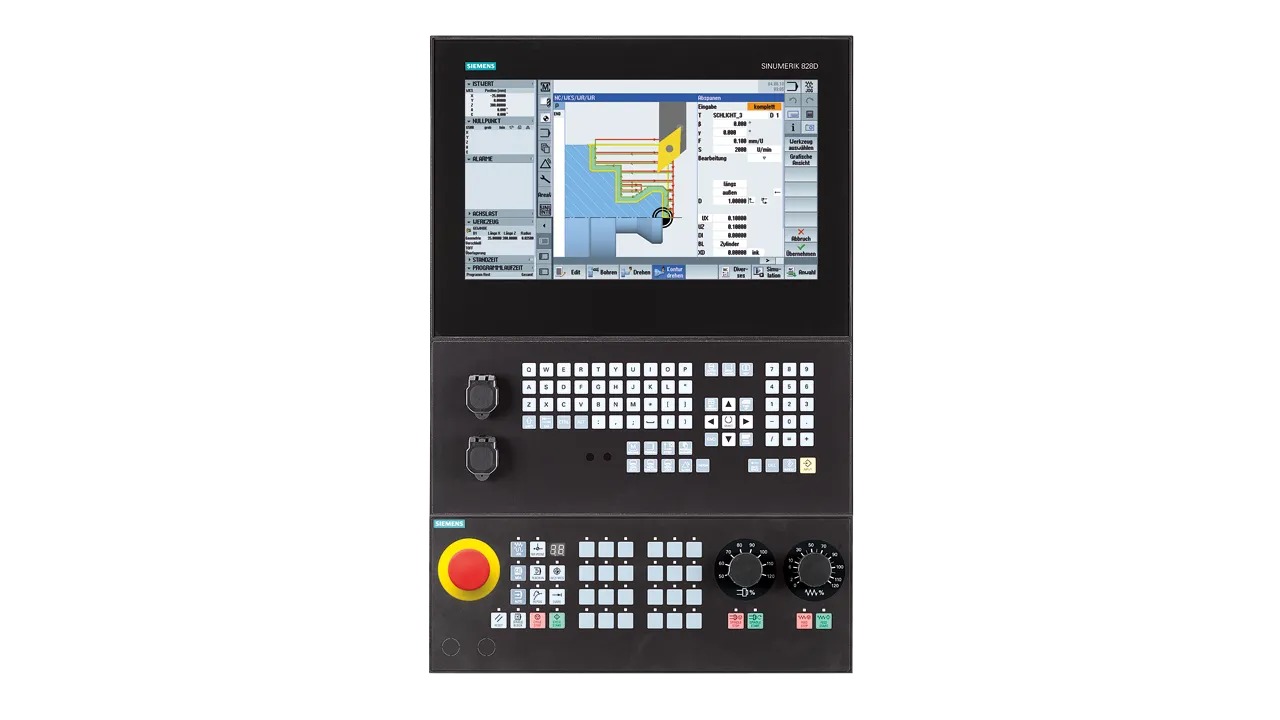
    BENGALURU, India, Jan 23, 2025 – Siemens announced the launch of MACHINUM at IMTEX 2025. MACHINUM has the potential to reduce machine tool setup time up to 20% and cycle times and energy consumption up to 18%.

    Image Source: Siemens

    Investment in India’s high-end manufacturing for local and export markets is driving changes in the machine tool market. Advanced technologies are being adopted to support this growth. The demand for modern machine tools is growing due to the need for precision, customization, and technology integration in manufacturing processes.

    Achim Peltz, CEO of Siemens Motion Control, digital industries, Siemens AG, “As one of the technology players with integrated solutions across the entire value chain, one of our prime focus areas is to support the accelerated adoption of digitalization and help the industry move up the value chain through co-creation. With the launch of the MACHINUM portfolio, we are shaping the sustainable, digital, and future-proof transformation of the machine tool manufacturing ecosystem in India.”

    MACHINUM is an integral part of Siemens Xcelerator, the open digital business platform that includes a portfolio of software and IoT-enabled hardware, an ecosystem of partners, and a marketplace. MACHINUM helps machine tool companies and scale digital transformation in both manufacturing and design processes.

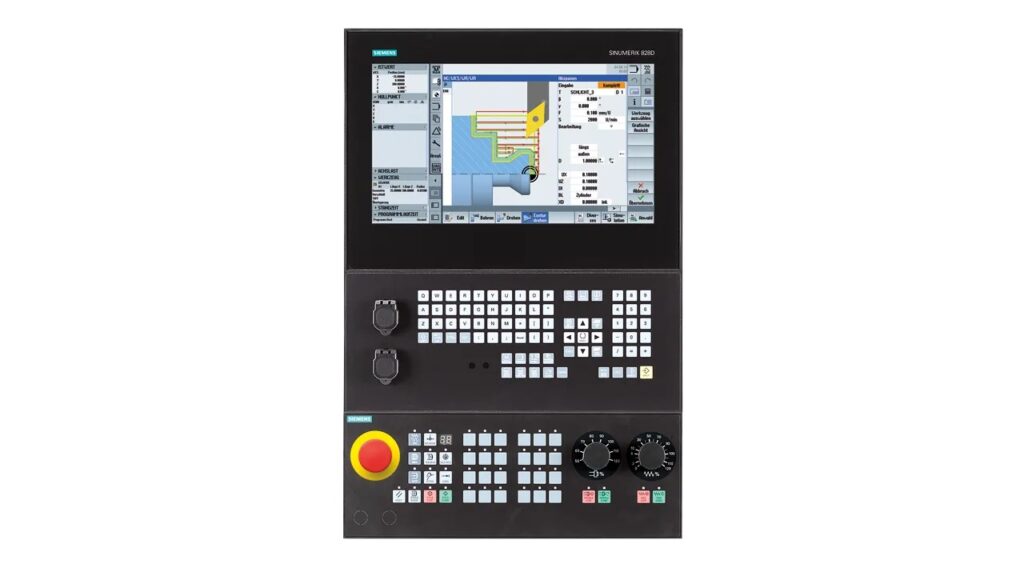
    Siemens will also showcase the upgraded 5th generation SINUMERIK 828D, paving the way for SINUMERIK Run MyVirtual Machine. This innovative feature allows NC programs to be created, validated, and optimized using a digital twin of the machine without interrupting production, reducing setup time on the real machine by up to 20% and minimizing production risks. With features like digital twin readiness, effortless HMI customization, and 40% faster program buffering, it simplifies operations and improves efficiency. The high-resolution display ensures clear operator visibility, while robust cybersecurity, including IEC 62443 compliance, safeguards systems from threats.

    Vijay Pratap Singh, Head of Motion Control, digital industries, Siemens Limited, said, “Our energy-efficient hardware, operational technology, and digitalization are key to boosting sustainability in machine tool manufacturing. At IMTEX 2025, we will not only showcase our components with high energy efficiency and lower carbon footprint but also applications to compensate, recover, and limit the energy consumed. Such a seamless portfolio helps machine tool manufacturers and users save costs while being more productive with fewer resources.”

    Source: Siemens

  • RIKEN Partners with Siemens for Next-Gen AI Research

    RIKEN Partners with Siemens for Next-Gen AI Research

    Plano, TX, Jan 16, 2025 – Siemens Digital Industries Software has announced that RIKEN is enhancing its research on next-generation AI devices with Siemens’ comprehensive Veloce Strato CS emulation and Catapult high-level synthesis (HLS) platforms to conduct architecture and design space exploration of AI accelerator devices.

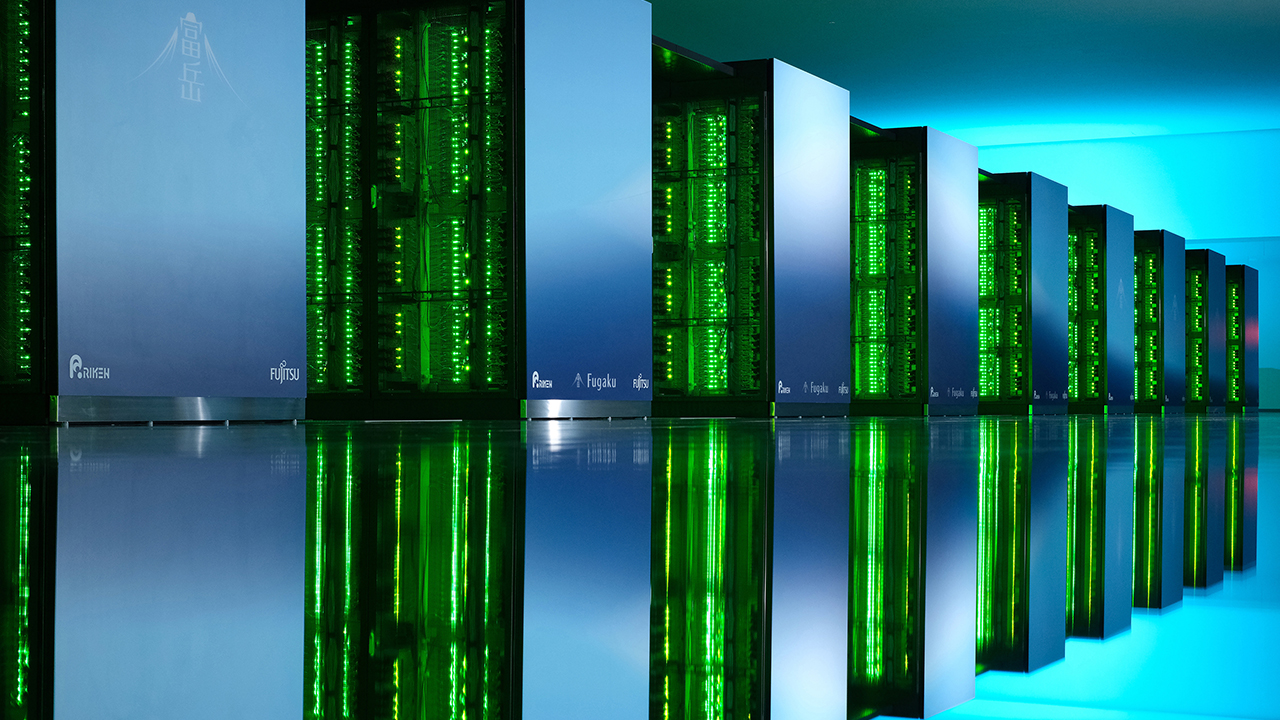
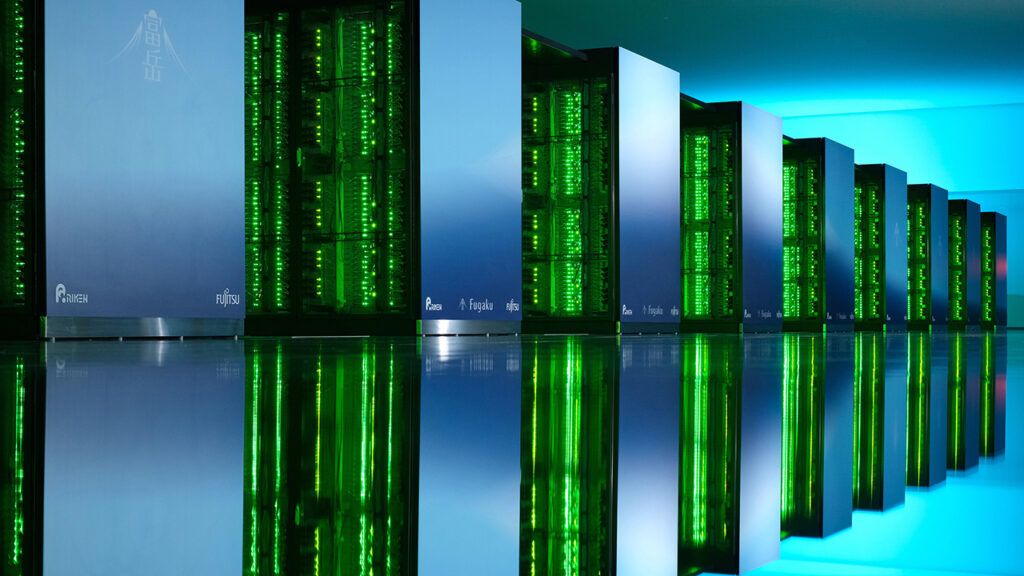
    Supercomputer Fugaku. Source: RIKEN.

    “RIKEN’s adoption of Siemens’ emulation and HLS capabilities enables the team to conduct the necessary explorations during our research into next-generation AI devices for ‘AI for Science’ and maintain our position as the creators of the world’s most powerful supercomputer,” said Dr. Kentaro Sano, team leader of the processor research team at the Center for Computational Science, RIKEN. “Our goal is the establishment, management, and continuous enhancement of the computational infrastructure essential for the creation of generative AI models tailored for scientific discoveries – and Siemens’ tools play an essential role in this research.”

    The RIKEN Center for Computational Science, part of Japan’s research organization for computational science and a world leader in a diverse array of scientific disciplines, is known for developing supercomputers such as the K computer and Fugaku.

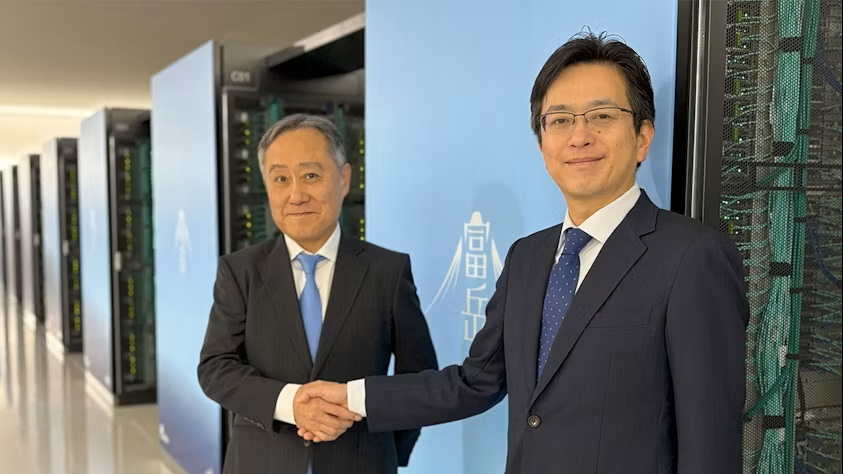
    Dr. Kentaro Sano, team leader of the Processor Research Team at the Center for Computational Science, RIKEN (left) and Yukio Tsuchida, vice president for Japan, Electronic Design Automation, Siemens Digital Industries Software (right).

    “We are delighted to support RIKEN’s groundbreaking research on AI devices. Our latest Veloce Strato CS and Catapult HLS platforms provide RIKEN with the comprehensive tools to achieve their research goals and drive innovation in the field of AI,” said Jean-Marie Brunet, vice president and general manager, hardware-assisted verification, Siemens Digital Industries Software.

    “Siemens is incredibly proud to support the cutting edge research and development taking place at RIKEN, and we look forward to supporting the organization as it works to achieve its goals to explore the outer boundaries of what’s achievable when bringing the power of AI to scientific research at vast scale,” said Yukio Tsuchida, vice president for Japan, electronic design automation, Siemens Digital Industries Software.

    The combination of Siemens’ hardware-based Veloce Strato CS and Catapult HLS platforms provide RIKEN with world-class technology for enabling rapid synthesis and emulation of large-scale Application Specific Integrated Circuits (ASICs). These Siemens tools support RIKEN’s efforts in evaluating the performance of optimized AI computing circuits and the system-on-chips (SoCs) that incorporate these circuits. The AI accelerator developed through this research will be a candidate for deployment in the next-generation supercomputers following the supercomputer Fugaku, scheduled to start operation around 2030 at the latest.

    Source: Siemens