Author: Joydeep Kar

  • Auto-DollyTug Aims to Streamline Baggage Transfer

    Auto-DollyTug Aims to Streamline Baggage Transfer

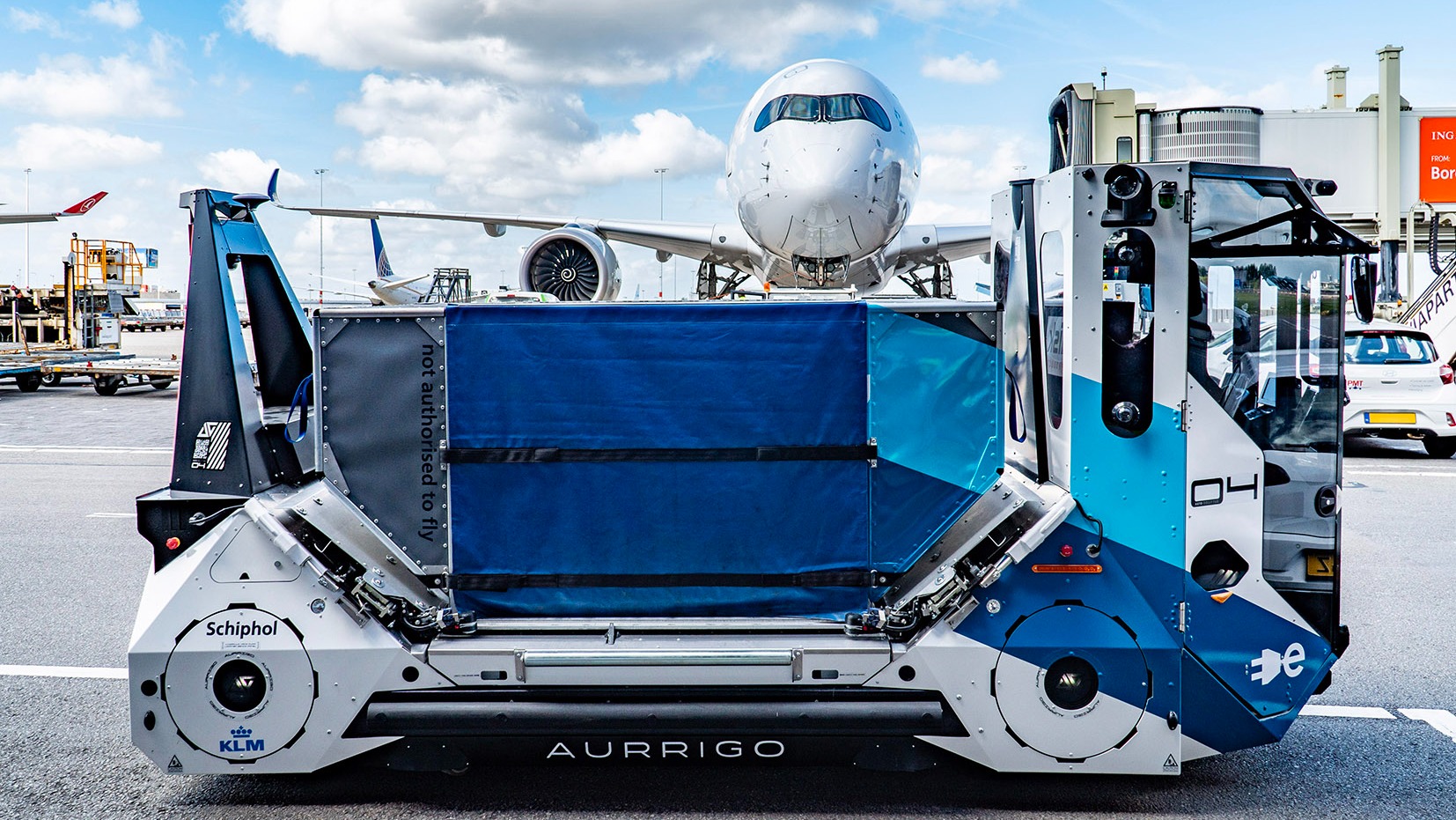
    Aurrigo’s Auto-DollyTug on apron with KLM airplane taxing. Image: Aurrigo

    Royal Schiphol Group, in collaboration with KLM, is deploying a new self-driving baggage vehicle from Aurrigo International plc to help it optimize the separation of passenger baggage with long transfer times.

    To transport baggage streams efficiently, Schiphol is testing an all-electric, self-driving baggage vehicle supplied by Aurrigo to transport luggage from passengers with long layovers from the aircraft to a temporary, secured storage location.

    The first phase of the Auto-DollyTug trial began in August last year, testing the route from the temporary baggage storage area to a secure storage location. At the appropriate time, the autonomous vehicle then delivers the baggage to the baggage hall, where it can be entered into the system and further processed by the connecting fleet.

    During this time, the vehicle mapped the platform environment using 3D cameras and learned how to navigate independently. Step-by-step aspects were trialed, such as autonomously picking up and dropping off containers and maneuvering through the busy baggage hall.

    “Schiphol is committed to creating a more sustainable, emission-free ground operation. We are replacing our entire vehicle fleet with a connected network of autonomous, emission-free vehicles,” commented Jan Zekveld, senior manager innovation at Royal Schiphol Group.

    “By doing so we automate all related processes. Even in an autonomous ground operation, employees will continue to play a crucial role, with their work becoming more varied and supervisory.”

    The latest testing involves Aurrigo’s Auto-DollyTug operating on the pier, where it will navigate denser traffic. If this is successful, the test routes will be expanded, and eventually, the vehicle will be tested at aircraft stands by the end of 2025.

    Aurrigo’s Auto-DollyTug airside at Amsterdam Schiphol Airport. Image: Aurrigo

    The autonomous vehicle is equipped with LiDAR sensors and 360-degree cameras, enabling it to navigate safely among other traffic, brake in time, and maintain distance. For safety purposes, an operator will always be present in the vehicle during the trial to intervene if necessary.

    Professor David Keene, CEO of Aurrigo International plc, commented: “Working with forward-thinking partners like Schiphol and KLM to bring autonomous solutions to real-world aviation challenges is very exciting.

    “The work we are doing demonstrates a fantastic use case for our self-driving Auto-DollyTug, showcasing how automation can enhance efficiency while supporting the workload for baggage handlers and easing pressure on airport systems. We’re proud to support Schiphol’s vision for a smarter, more sustainable future in ground operations.”

    About Aurrigo International

    Aurrigo International plc, headquartered in Coventry, UK, is a technology-driven company specializing in autonomous and automated solutions for the aviation and automotive industries. Established as part of the RDM Group, it has been in business for over 30 years, developing airside ground handling systems, baggage transportation, and autonomous vehicle solutions. Aurrigo serves major airports, airlines, logistics providers, and automotive manufacturers, focusing on efficiency and sustainability through automation. Aurrigo has expanded globally, working with clients across North America, Europe, and Asia. As of recent financial reports, its annual revenue exceeds £10 million, with continuous growth driven by increased demand for innovative mobility solutions.

    About Royal Schiphol Group

    Royal Schiphol Group Royal Schiphol Group, established in 1920, is a Dutch airport management company headquartered in North-Holland, Netherlands. It owns and operates several airports, including Amsterdam Airport Schiphol, Rotterdam The Hague Airport, and Lelystad Airport, and holds significant stakes in Eindhoven Airport and Maastricht Aachen Airport. Internationally, the group invests in Brisbane Airport Hobart Airport and operates Terminal 4 at New York’s JFK International Airport. The company provides services such as aviation infrastructure, consumer products, real estate, and security facilities, serving domestic and international airlines, passengers, and logistics providers. In 2018, Royal Schiphol Group reported a revenue of €1.509 billion. The company’s ownership is divided among the Dutch State, the Municipality of Amsterdam, Groupe ADP, and the Municipality of Rotterdam.

  • Mouser Offers Digi ConnectCore MP255 Kit

    Mouser Offers Digi ConnectCore MP255 Kit

    Image: Mouser

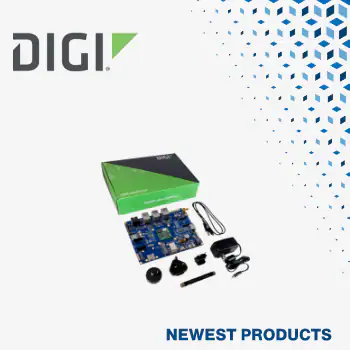
    MANSFIELD, TX, Feb 25, 2025 – Mouser Electronics, Inc., has announced that they have started shipping the new Digi ConnectCore MP255 development kit. The kit boasts a versatile, secure, cost-effective wireless system-on-module (SOM) designed for maximum power efficiency to support battery-powered and industrial AI applications.

    The Digi ConnectCore MP255 development kit, available from Mouser, features a robust STMicroelectronics STM32MP255C 64-bit microprocessor tailored for industrial settings, with a neural processing unit (NPU) and image signal processor (ISP) for edge AI and computer vision applications and time-sensitive networking (TSN), in a compact SMTplus form factor (30 x 30 mm), making it ideal for small portable devices and Industry 4.0 applications. The ConnectCore MP255 kit also delivers access to the STM32MP255C’s high-end graphics capabilities, such as an integrated 3D GPU, video encoder and decoder (VPU), high-resolution MIPI, LVDS or parallel display interfaces, as well as a MIPI camera port with an ISP and the flexibility to run AI applications on the CPU, GPU, or NPU.

    The ConnectCore MP255 kit also supports high-end edge computing applications like machine vision, leveraging multimedia capabilities made possible by the comprehensive ST Edge AI ecosystem, providing fully integrated wireless connectivity with pre-certified Wi-Fi 6 (tri-band 6E ready), 802.11ax and Bluetooth 5.4, along with PCIe Gen2, USB 3.0, CAN-FD and Gigabit Ethernet with TSN support.

    Source: Mouser

    About Mouser

    Mouser Electronics, established in 1964 and based in Mansfield, Texas, is a global distributor of semiconductors and electronic components. The company supports the automotive, aerospace, consumer electronics, and telecommunications industries. It offers over one million unique products from over 1,200 top manufacturers, including Texas Instruments, Intel, TE Connectivity, and Analog Devices. Mouser operates 28 locations worldwide and employs more than 4,000 people. Its annual revenue exceeds $4 billion, making it the seventh-largest electronic component distributor globally. The company’s distribution facility in Texas spans one million square feet, ensuring fast order processing and shipping to over 650,000 customers in 223 countries and territories. As part of TTI, Inc. and the Berkshire Hathaway group of companies, Mouser remains focused on providing design engineers and buyers with the latest products and technologies.

    About Digi

    Digi International Inc., founded in 1985, provides Internet of Things (IoT) connectivity products and services. Headquartered in Hopkins, MN, the company offers many solutions, including embedded and wireless modules, cellular routers, and communication software catering to industrial automation, transportation, energy, and healthcare. Digi’s offerings are designed to support business and mission-critical applications, ensuring reliable and secure data communication across various sectors. As of 2023, the company employs approximately 822 individuals. In the fiscal year 2023, Digi International reported revenues of $444.8 million, reflecting its strong position in the IoT market. With a global presence, the company maintains regional sales offices throughout North America, Europe, and Asia. It operates engineering locations in North America and Europe, underscoring its worldwide commitment to innovation and customer support.

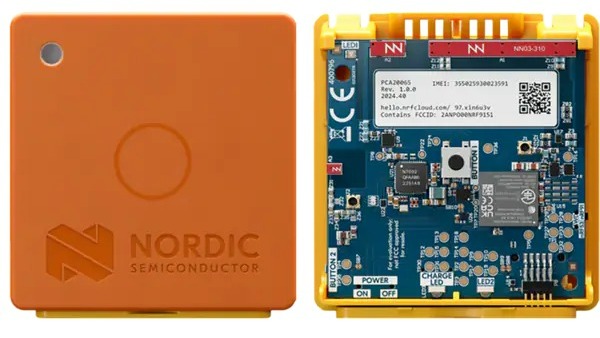
  • Mouser Ships Nordic’s Thingy:91 X for Wireless IoT

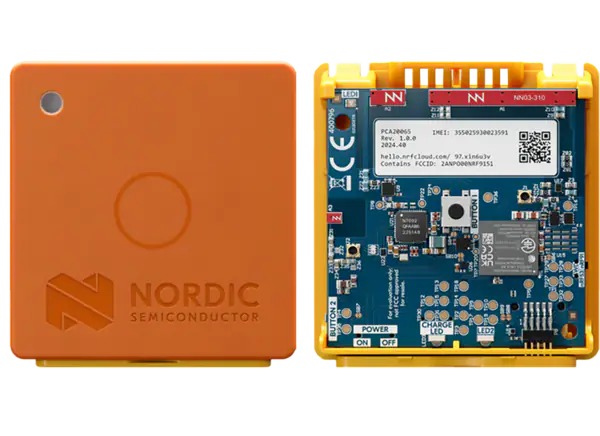
    Mouser Ships Nordic’s Thingy:91 X for Wireless IoT

    Image: Mouser

    MANSFIELD, TX, Feb 26, 2025 – Mouser Electronics, Inc. announced that it has started shipping the new Thingy:91 X prototyping platform from Nordic Semiconductor. The Thingy:91 X is an easy-to-use, battery-operated prototyping platform for cellular Internet of Things (IoT) proof-of-concept (PoC) demos and initial cellular IoT device development for logistics, asset tracking, smart city, predictive maintenance, industrial and wearable applications.

    The Nordic Semiconductor Thingy:91 X, available from Mouser, is designed to address the needs of emerging low-power cellular IoT applications utilizing Nordic’s nRF9151 cellular IoT system-in-package (SiP) with an integrated Arm Cortex-M33 CPU and Arm TrustZone and CryptoCell security technology that supports LTE-M, NB-IoT, GNSS, and NR+ certified for global operation. The ready-for-IoT Thingy:91 X platform ships with an asset-tracking app already loaded and a whole swathe of sensors to monitor the environment and movement, enabling it to be used in a wide range of use cases. The Thingy:91 X features multiple digital and analog interfaces and peripherals for various design scenarios and interface headers for a debug board connector and Qwiic, STEMMA QT, and Grove-compatible expansion board connectors.

    The Thingy:91 X Prototyping Platform has all the necessary modem firmware, RTOS, application software examples, and hardware reference designs to implement a complete cellular IoT design. The Thingy:91 X features two user-programmable buttons for user input, with user-programmable RGB LEDs for output, along with a Nano/4FF SIM card slot, supporting (e)SIM, and bundled Onomondo and Wireless Logic SIM cards preloaded with data to connect to nRF Cloud out-of-the-box. The package also includes a 1350mAh rechargeable Li-Po battery to facilitate prototype field testing.

    Source: Mouser

    About Mouser

    Founded in 1964, Mouser Electronics is a global distributor of semiconductors and electronic components, specializing in introducing new products and technologies to design engineers and buyers. Mouser offers a vast inventory of over a million unique SKUs from more than 1,200 manufacturer brands, including Texas Instruments, Intel, TE Connectivity, and Analog Devices, serving industries such as consumer electronics, automotive, aerospace, and telecommunications. Headquartered in Mansfield, TX, the company’s global distribution center operates 24/7, processing and shipping orders to over 650,000 customers across 223 countries and territories. With over 4,000 workers and 28 locations worldwide, Mouser is part of the Berkshire Hathaway family of companies and reported annual revenue exceeding $4 billion, ranking it the seventh-largest electronic component distributor globally.

    About Nordic Semiconductor

    Nordic Semiconductor, established in 1983, is a Norwegian fabless semiconductor company headquartered in Trondheim, Norway. The company specializes in ultra-low-power wireless communication technology and provides integrated circuits (ICs) and solutions that power the Internet of Things (IoT). Their product portfolio includes System-on-Chip (SoC) and System-in-Package (SiP) solutions supporting wireless technologies such as Bluetooth Low Energy (LE), Wi-Fi, Thread, Zigbee, Matter, LTE-M, and NB-IoT. The products serve consumer electronics, healthcare, smart home, industrial automation, and wearable technology. As of 2023, Nordic Semiconductor employs over 1,500 people worldwide. In 2023, the company reported a revenue of $542.87 million.

  • Stratasys, Siemens Healthineers Advance Medical Imaging with 3D Printing

    Stratasys, Siemens Healthineers Advance Medical Imaging with 3D Printing

    Image: Business Wire

    EDEN PRAIRIE, MN and REHOVOT, Israel and ERLANGEN, Germany, Feb 26, 2025 – Stratasys Ltd. and Siemens Healthineers presented the results of a joint research effort that demonstrates the accuracy of the solutions offered by Stratasys to enable 3D-printed medical imaging phantoms to replicate human anatomy.

    The collaborative effort uses Stratasys’ RadioMatrix materials and Digital Anatomy technology with Siemens Healthineers’ advanced algorithms to improve the quality of complex anatomy medical imaging phantoms, allowing surgeons, researchers, and educators to replace simplistic anatomical phantom models for pre-surgery planning and education.

    The new research shows how anatomically correct, patient-specific 3D-printed phantoms are scalable, cost‐effective and competent for development of new CT scan algorithms and improvement of diagnostic accuracy. By using 3D-printed anatomic models for radiology, it is possible to offer a patient-specific, anatomical model that replicates anatomy and pathologies.

    “The integration of 3D-printing solutions to create patient-realistic CT phantoms, combined with the Digital Anatomy technology from Stratasys, represents a significant innovation in the field of computed tomography,” said Jesús Fernández Léon, head of computed tomography product & clinical marketing at Siemens Healthineers. “This cooperation not only enhances our ability to assess and verify the performance of modern CT systems but also ensures that our algorithms can rely on a highly realistic depiction of human anatomy. By working together, we are setting new standards in medical imaging.”

    The results of the study were shared during this winter’s Radiological Society of North America (RSNA) annual meeting.

    The joint efforts will drive innovation in medical imaging through multiple ways:

    • Integrating Stratasys’ advanced Digital Anatomy technology and materials with Siemens Healthineers’ imaging creates patient-specific phantoms with realistic radiopacity and anatomical precision.
    • With the ability to produce repeatable data sets on the same anatomy, the phantoms eliminate ethical, and variability challenges associated with human scans and/or the usage of cadavers.
    • Advanced post-processing include validation data for AI-based software solutions. The ultra-realistic phantoms accelerate the development of imaging algorithms, driving materials innovation, and enabling the exploration of new clinical and academic applications.

    Using these sorts of 3D-printed phantoms, hospitals and imaging facilities can improve the calibration and functioning of CT scanners to deliver accurate diagnostics and thereby better patient outcome. These phantoms are also opening up opportunities in education, training, and research in radiology that will be beneficial for better patient outcomes and cost.

    “The collaboration between Stratasys and Siemens Healthineers will pave the way for innovations that enhance imaging precision, improve training efficiency, and reduce reliance on cadavers,” said Erez Ben Zvi, vice president of healthcare, Stratasys. “This is a game-changer for the medical community. We believe this work can speed up the advancement of medicine and improve patient outcomes.”

    The RSNA presentation detailed the deviations between real and printed models, with discrepancies as low as single Hounsfield units (HU) in essential areas including grey matter and veins. Expected to revolutionize CT imaging research, this level of accuracy replaces all previously used benchmarks.

    Source: Stratasys

    About Stratasys

    Stratasys Ltd., founded in 1989 by S. Scott Crump, provides additive manufacturing and polymer-based 3D printing solutions. Headquartered in Eden Prairie, MN, and Rehovot, Israel, the company offers a range of products, including 3D printers, consumable materials, and software suites. The solutions cater to various industries such as aerospace, automotive, healthcare, and consumer products, enabling professionals to create complex geometries using materials like ABS, polyphenylsulfone (PPSF), and polycarbonate. As of 2023, Stratasys employs approximately 1,980 individuals and reported a revenue of $627.6 million. The company’s technologies have been instrumental in transforming product design, manufacturing processes, and patient care across the globe.

    About Siemens Healthineers

    Siemens Healthineers, headquartered in Erlangen, Germany, is a global medical technology company with over 125 years of experience. The company specializes in diagnostic imaging systems, laboratory diagnostics, point-of-care testing, and advanced therapies, serving healthcare providers worldwide. In 2023, Siemens Healthineers reported revenue of €21.7 billion and employed approximately 68,000 people across 70 countries. Originally part of Siemens AG, it became a separate legal entity in 2017 and continues to pioneer innovations in medical technology.

  • Molex Launches EMI-Filtered Components for Aerospace, Defense

    Molex Launches EMI-Filtered Components for Aerospace, Defense

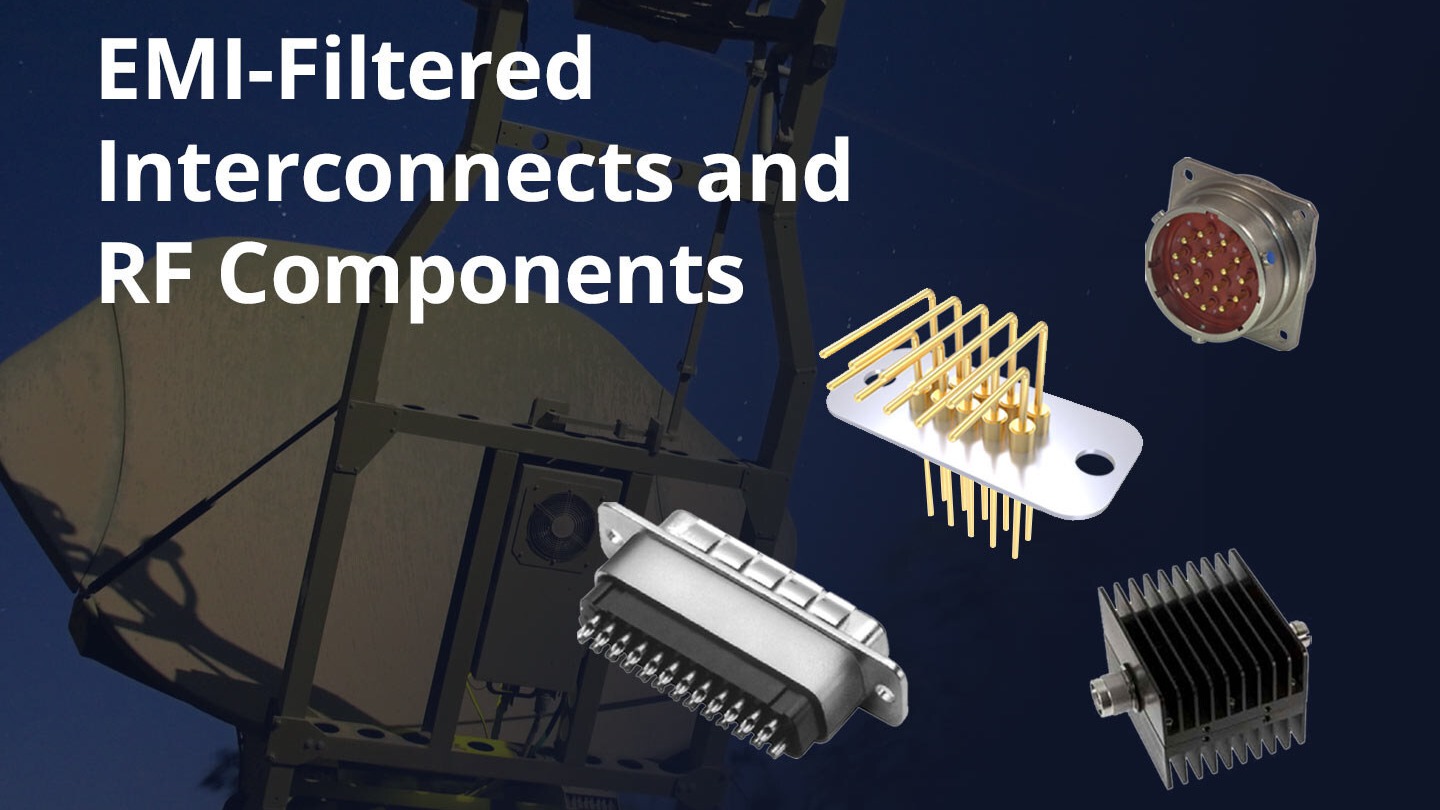
    Molex’s latest EMI-filtered interconnects and RF components provide advanced solutions for improved reliability in aerospace and defense systems.

    LISLE, IL, Feb 26, 2025 – Molex has launched a comprehensive lineup of Electromagnetic Interference (EMI) Filtered interconnects and Radio Frequency (RF) components to improve signal integrity and electromagnetic compatibility for mission-critical aerospace and defense applications. Molex’s new family of EMI-Filtered D-Sub Pi Adapters and ConnectorsEMI Filter PlatesFixed RF Coaxial Attenuators, and RF Coaxial Terminations are engineered to enhance the overall reliability and efficiency of crucial electronic systems. The launch emphasizes Molex’s commitment to innovation and product development in Aerospace and Defense following its recent AirBorn acquisition.

    “These new RF components and EMI-Filtered interconnects extend Molex’s legacy of RF excellence while adding significant product breadth and depth for tackling the toughest connectivity challenges,” said Steven DeFrancesco, general manager, RF, Molex. “Available in an extensive selection of mechanical configurations, we offer customers a ‘one-stop shop’ for compact, lightweight and ruggedized connectivity solutions needed to perform without fail in the harshest, most demanding environments.”

    Engineered to comply with rigorous regulatory standards, the solutions integrate into a diverse range of aerospace and defense applications. These include radar systems, airborne radios, night-vision sensors, flight controls, engine controls, navigation systems, tactical weapons, and military global positioning systems. Inventive materials and adaptable designs cater to varying sizes, weights, and power specifications, guaranteeing that these advancements apply to other sectors, such as medical equipment, telecommunications, and industrial automation.

    Improve Signal Integrity, Minimize Interference

    Molex’s EMI-Filtered D-Sub Pi Adapters and Connectors mitigate EMI and enhance signal integrity while improving compliance with stringent standards. Featuring an optimized Pi filter design, the products provide superior noise suppression, as well as higher capacitance and inductance values for better frequency attenuation. High-quality conductive and shielding materials increase electrical performance and mechanical durability for greater resilience to vibration, shock, extreme temperatures, lightning and exposure to contaminants.

    The latest EMI Filter Plates are designed to protect system components and mitigate signal loss caused by electronic noise, all while removing the necessity for separate filters, streamlining assembly time, and reducing costs. Featuring up to 50 lines in a compact design, the filter plates improve design versatility and minimize the space needed on Printed Circuit Boards (PCBs). Snap-in options are available for frequencies ranging from 5 to 18 GHz, making installation easier in applications with limited space. Customers can adjust plate size and shape to fit unique enclosures, while the availability of different materials addresses a vast range of environmental concerns.

    Circular EMI Filter Connectors are also available with advanced EMI filtering and line-to-line isolation to ensure reliable signal integrity and consistent power delivery. Customers can choose insulated and ground-line options in hermetically sealed and bayonet styles for better resiliency under challenging conditions.

    Stable RF System Performance, Precise Power Control

    Molex’s Fixed RF Coaxial Attenuators and RF Coaxial Terminations offer durability and environmental resiliency for aerospace and defense applications. The products are well-suited for military aircraft, missile defense systems, SATCOM links, ship-signal exploitation devices, and electronic warfare systems. Moreover, they improve the reliability of wireless infrastructure, telecommunications, and automotive applications, spanning test and measurement equipment, cell-site infrastructure, network analyzers, automotive test environments, and distributed antenna systems.

    The new attenuators deliver precise signal power control and excellent signal integrity to ensure consistent, long-term performance. In addition, they provide heat dissipation at power levels up to 50W and precision impedance matching, helping customers improve system efficiency, prevent equipment damage, improve test-results reliability, and reduce downtime by extending component lifespans. Both product lines are engineered with solderless contacts to withstand wide temperature ranges, shock and vibration forces, and exposure to harsh environments.

    Product Availability

    Molex’s EMI-Filtered D-Sub Pi Adapters and Connectors are available in more than 250 mechanical configurations and countless custom options, including high-density and circular connectors in various shell sizes, including 9, 15, 25, 37, and 50. Molex’s EMI Filter Plates are also available in different sizes, shapes, and mounting options, which can be tailored to meet specific applications.

    Supporting various power ratings and attenuation values, Molex’s Fixed RF Coaxial Attenuators ensure power handling up to 100W and work with RF connectors, including 2.92mm, N-Type, and SMA. They are also compatible with 3.50mm, K-Type, and MIL-STD-348 connectors. The RF Coaxial Terminations are available in various power ranges, power-handling capabilities, and connector types, including military-grade products. They are available through Molex’s global distribution partners, with stock available immediately from Mouser Electronics and DigiKey Electronics.

    Source: Molex

    About Molex

    Molex, established in 1938 and headquartered in Lisle, Illinois, is a global leader in electronic, electrical, and fiber optic connectivity systems. The company offers over 100,000 products, including electrical connectors, optical fiber connectors, and switches, serving industries such as data communications, medical, industrial, automotive, and consumer electronics. Molex pioneered the widely adopted Molex connector in personal computing. As of 2023, Molex reported annual revenues of $3.6 billion and employed approximately 45,000 people worldwide.

  • Planon Appoints Klaas Bosma as Chief Operations Officer

    Planon Appoints Klaas Bosma as Chief Operations Officer

    Image: Planon

    BRIGHTON, UK, 26 Feb, 2025 – Planon announces the appointment of Klaas Bosma as chief operations officer for its Planon Real Estate business line. The move emphasizes Planon’s commitment to further integrating and scaling its real estate software solutions to create an ecosystem tailored to the evolving needs of real estate owners, investors, and developers across Europe.

    “The demand for an end-to-end software solution that supports the specific needs of European real estate developers, investors, and owners continues to grow,” said Peter Ankerstjerne, CEO of Planon. “With Klaas’ proven leadership and expertise, we are strengthening our ability to deliver an advanced SaaS platform – integrating the capabilities of subsidiaries ReasultCOOR, and control IT – that not only addresses today’s industry challenges but also helps future-proof our clients’ operations and portfolios.”

    Klaas Bosma. Image: Planon

    Klaas Bosma, MRE MRICS, brings a wealth of experience in driving digital transformation within the real estate sector. Throughout his seven-year tenure at Planon subsidiary Reasult, he assumed roles of growing responsibility, including managing director. Prior to that, Klaas excelled in strategic advisory roles at prominent firms such as CBRE and Twynstra Gudde. His emphasis will be on advancing the integration of Planon’s varied technological solutions, providing innovative contributions that improve client efficiency, performance, and sustainability.

    Source: Planon

    About Planon

    Planon, founded in 1982 by Pierre Guelen, is a global sustainable building management software provider. Headquartered in Nijmegen, Netherlands, Planon offers solutions that integrate real estate, facility management, and smart building technologies into a unified platform. Their software suite includes asset and maintenance management modules, property management, development management, and project management, serving industries such as corporate real estate, commercial real estate, facility services, and campus management. As of January 2025, Planon employs approximately 1,100 individuals across six continents.

  • DigiKey, Qorvo Announce Global Distribution Agreement

    DigiKey, Qorvo Announce Global Distribution Agreement

    DigiKey will distribute Qorvo’s leading connectivity and power solutions worldwide. Image: DigiKey

    THIEF RIVER FALLS, MN, Feb 26, 2025 – DigiKey and Qorvo has announced a worldwide distribution agreement. The collaboration will further enhance the awareness, availability and speed of delivery of Qorvo’s high-performance solutions to customers around the world.

    DigiKey will distribute Qorvo’s connectivity and power solutions worldwide.

    The collaboration with DigiKey further extends Qorvo’s product reach across North America, EMEA and APAC regions, ensuring delivery and additional support for customers in markets such as IoT, defense, aerospace, automotive, power and wireless infrastructure. By leveraging DigiKey’s logistics and distribution capabilities, Qorvo will satisfy growing demand and accelerate its customers’ time-to-market.

    “For Qorvo, delivering innovative, high-performance solutions to our customers is a top priority, and our agreement with DigiKey reinforces that commitment,” said Corbin Graham, senior director of global distribution at Qorvo. “This collaboration expands global access to our products, ensuring our customers receive the advanced technologies they need with exceptional efficiency and support.”

    DigiKey’s expansive product offering that includes over 15.9 million products, enables Qorvo’s customers to order entire bills of materials in one place and receive orders efficiently and in cost saving time. This minimizes lead times and enhances project timelines.

    “We are excited to partner with Qorvo to bring their innovative RF and power semiconductor solutions to our customers around the globe,” said Ken Paxton, director of advanced semiconductors at DigiKey. “By making Qorvo’s extensive portfolio easily accessible to engineers and innovators worldwide, we can propel industries like wireless, smart living, power, defense technology and automotive into the future.”

    Source: DigiKey

    About DigiKey

    DigiKey, founded in 1972 by Ronald Stordahl, is a distributor of electronic components headquartered in Thief River Falls, MN. The company offers an inventory of over 15.9 million products, including integrated circuits, connectors, capacitors, resistors, relays, catering to design engineers and manufacturers across industries such as automotive, aerospace, telecommunications, and consumer electronics. DigiKey serves customers in more than 180 countries, providing services like same-day shipping and a user-friendly online platform. As of 2023, the company reported annual revenues of approximately $5 billion and employed over 5,000 people. DigiKey’s commitment to innovation and customer service has solidified its position as a global leader in electronic component distribution.

    About Qorvo

    Qorvo, Inc., established on January 1, 2015, through the merger of TriQuint Semiconductor and RF Micro Devices, is a provider of radio frequency (RF) solutions and core technologies. Headquartered in Greensboro, NC, Qorvo designs and manufactures products including amplifiers, control products, discrete transistors, filters, frequency converters, and power management solutions. The manufactured goods serve various industries such as automotive, consumer electronics, defense and aerospace, industrial, Internet of Things (IoT), mobile devices, and network infrastructure. As of 2024, Qorvo employs approximately 8,700 individuals and reported an annual revenue of approx. $3.8 billion.

  • Baya Systems. Semidynamics Team Up to Advance RISC-V SoC Development

    Baya Systems. Semidynamics Team Up to Advance RISC-V SoC Development

    Baya Systems and Semidynamics Collaborate to Accelerate RISC-V System-on-Chip Development. Image: Baya Systems

    SANTA CLARA, CA and BARCELONA, Spain, Feb 26, 2025 – Baya Systems and Semidynamics have announced a collaboration to boost innovation in the development of hyper-efficient, next-gen platforms for artificial intelligence (AI), machine learning (ML), and high-performance computing (HPC) applications.

    The collaboration integrates Semidynamics’ family of 64-bit RISC-V processor IP cores, known for their memory bandwidth and configurability, with Baya Systems’ WeaveIP Network on Chip (NoC) system IP.  WeaveIP is engineered for ultra-resourceful, high-bandwidth, and low-latency data transport, crucial for the demands of modern workloads. Complementing this is Baya Systems’ software-driven WeaverPro platform that enables rapid system-level optimization, ensuring that key performance indicators (KPIs) are met based on real-world workloads while providing design flexibility for future advancements.

    New computing platforms are essential to meet the demands of advanced AI and machine learning in market segments like data centers, infrastructure, automotive, and edge IoT applications. These platforms should combine processing power with effective data movement to keep up with technological progress. As AI, ML, and HPC workloads increase, and systems expand to larger scales and chiplets, the focus shifts from raw computing power to efficient data transfer between processors and chiplets.

    “Our customers need high-performance compute that doesn’t get bottlenecked by inefficient data transport,” said Roger Espasa, CEO of Semidynamics. “Partnering to pre-integrate with Baya Systems’ WeaveIP technology accelerates development timelines for our mutual customers, eliminating this bottleneck and enabling a new level of performance for AI and HPC applications.”

    Fresh off its Series B funding, Baya Systems has emerged as a key player in semiconductor innovation. Its NoC solutions are chiplet-ready and engineered for extreme scalability, complementing Semidynamics’ flexible, high-bandwidth architectures.

    “Our mission is to support our customers’ processor IP choices while providing the SoC connectivity backbone for the expanding RISC-V ecosystem,” said Dr. Sailesh Kumar, CEO of Baya Systems. “Together with Semidynamics, we’re enabling SoC designers to push the boundaries of performance, efficiency and scalability in AI and HPC applications.”

    Source: Baya Systems

    About Baya Systems

    Baya Systems, founded in March 2023 and headquartered in Santa Clara, CA, specializes in developing intelligent, software-driven, customizable System IP solutions to enhance data movement efficiency in complex System-on-Chip (SoC) and chiplet designs. Their offerings include the WeaverPro software platform and WeaveIP advanced system IP portfolio, which facilitate the design, analysis, and deployment of high-performance, scalable multi-die systems. These solutions cater to industries such as artificial intelligence, automotive, data center infrastructure, and IoT. In January 2025, Baya Systems raised over $36 million in a Series B funding round led by Maverick Silicon, with participation from Synopsys, Matrix Partners, and Intel Capital, to support operational growth and technology development.

    About Semidynamics

    Semidynamics, established in 2016 and headquartered in Barcelona, Spain, is a European provider of RISC-V IP cores. The company specializes in high-bandwidth, high-performance cores equipped with vector and tensor units, primarily serving industries focused on AI and ML applications. Their product lineup includes the Atrevido and Avispado cores, designed for seamless integration into multiprocessor systems. Semidynamics is an active participant in the European Processor Initiative (EPI), contributing to the development of European processors.

  • Roland DG Appoints Eric Zimmerman as Global Market Research Director

    Roland DG Appoints Eric Zimmerman as Global Market Research Director

    IRVINE, CA, Feb 25, 2025 – Roland DG Corp. has appointed Eric Zimmerman, a sign and graphics veteran with more than 25 years of related experience, as its new director of global market research.  In this newly created position, Zimmerman will collaborate with global marketing, product, and sales teams to provide customer and market insights to help Roland DG achieve key objectives.

    Eric Zimmerman. Image Roland DGA

    Prior to assuming his new role with Roland DG, Zimmerman served for six years as director of wide-format print for the global research and analysis firm Keypoint Intelligence, where he helped print industry clients grow their businesses by better understanding market trends and opportunities. Before that, he held several positions at Roland DG, most recently as business strategy manager for digital printing and as a product manager for the Americas business unit.

    “We are thrilled to welcome Eric back to the Roland DG team, said Ryugo Nimura, Roland DG president of global sales and marketing. “Having worked for both Roland DG and Roland DGA before joining Keypoint Intelligence, Eric is extremely familiar with our line of high-quality digital imaging devices, as well as our company’s commitment to innovation, quality, and world-class service and support. We’re excited about Eric’s contributions, which will enable us to better serve our existing clients and expand into new markets.”

    Source: Roland DG Americas

    About Roland DG Americas

    Roland DGA Corp., established in 1987, serves as the North and South American sales, marketing, distribution, and service arm of Roland DG Corp., headquartered in Hamamatsu, Japan. Based in Irvine, CA, Roland DGA offers diverse digital imaging equipment, including large-format inkjet printers, vinyl cutters, engravers, 3D milling machines, and dental milling devices. These products cater to industries such as sign and graphics, commercial printing, packaging, labeling, promotional products, textiles, engraving, milling, and 3D modeling. Roland DGA is recognized for its award-winning technology and commitment to customer support. As of 2023, Roland DG employs approximately 1,142 individuals worldwide. In the fiscal year 2023, the company reported approximately $401.5 million in revenues.

  • AI-Driven Battery Management: Infineon and Eatron Extend Collaboration

    AI-Driven Battery Management: Infineon and Eatron Extend Collaboration

    Infineon Mobile Robot. Image: Infineon

    MUNICH, Germany, Feb 25, 2025 – Infineon Technologies AG and Eatron extend their existing partnership for battery management solutions (BMS) in automotive to a comprehensive BMS portfolio, including various industrial and consumer applications. Enabled by Infineon’s PSOC microcontrollers, the collaboration brings together the benefits of AI-powered battery optimization software and advanced power semiconductor components to create a solution that minimizes degradation, detects safety issues, and enhances the performance and reliability of battery-powered systems.

    The technology integrates Eatron’s AI-powered BMS software, based on pre-trained models, featuring SOX, RUL, and Safety Diagnostic, with Infineon’s components, including MOSFETs for battery protection and PSOC 6 AI-based battery management system for state-of-the-art machine learning capabilities. Customers can access a range of benefits, including precise forecasts of battery State of Charge (SOC), reduced system costs, and faster market entry. The collaboration meets the emerging need for advanced battery management systems across industrial and consumer sectors, including light electric vehicles, portable electronics, energy storage, robotics, and power tools.

    The battery management and optimization market is growing fast. It is due to a rising need for more energy efficiency, extended battery life, and predictive maintenance. AI plays a key role in enhancing battery performance, making the Eatron-Infineon technology a top choice for various applications. These include robotics, wearables, portable medical devices, smart home devices, battery-operated IoT products, and low-power energy storage systems.

    Eatron’s software has been pre-validated and deployed on Infineon’s PSoC. It has been benchmarked on an application comprising up to 24 cells against traditional techniques that require cell characterization. The evaluation used a commercially available LG Chem INR21700 M50 cell across a broad temperature range (0–45°C), demonstrating comparable results. These findings underscore the strong value proposition of Eatron-Infineon technology.

    “We’re excited to collaborate with Eatron to bring AI-powered battery optimization software to a wide range of industrial applications. Our PSOC microcontrollers, with their advanced machine learning capabilities, are the perfect fit for Eatron’s AI-powered software suite, enabling customers to unlock new levels of performance, reliability, and safety in their battery-powered systems,” said Cuauhtemoc Medina, industrial application manager at Infineon.

    “We are excited to expand our partnership with Infineon, combining our Advanced SoX and predictive diagnostics software, integrated on the PSOC family to provide market-leading battery management and diagnostics in various industrial applications,” said Dr. Umut Genc, CEO of Eatron.

    AI plays a key role in Infineon’s growth. The company strengthens its market position with innovations such as ultra-thin silicon (Si) wafers and 300-millimeter gallium nitride (GaN). It also leads in 200 mm silicon carbide manufacturing technology.

    Source: Infineon

    About Eatron

    Eatron Technologies, founded in 2017, is a technology company headquartered in Warwick, United Kingdom. Specializing in AI-powered battery management software, Eatron aims to unlock the full potential of batteries for vehicle and battery manufacturers worldwide. Their Intelligent Software Layer enhances battery performance, safety, and longevity by providing precise state estimations and predictive maintenance capabilities. Serving automotive, mobility, and energy storage industries, Eatron’s solutions are trusted by global OEMs and Tier 1 suppliers. As of December 31, 2023, the company reported an annual revenue of approximately £4.37 million ($5.44 million) and employed 28 people.

    About Infineon

    Infineon Technologies AG, established in 1999 as a spin-off from Siemens AG, is a German semiconductor manufacturer headquartered in Neubiberg, near Munich. The company specializes in designing, developing, and manufacturing a wide range of semiconductor products, including power semiconductors, microcontrollers, sensors, and application-specific integrated circuits (ASICs). These products serve various industries, such as automotive, industrial power control, power and sensor systems, and connected secure systems. Infineon’s solutions are integral to applications like automotive electronics, renewable energy systems, industrial drives, consumer electronics, and security systems. As of the fiscal year ending September 2023, Infineon reported revenues exceeding €16 billion and employed approximately 58,600 people worldwide. The company operates 69 research and development locations and 17 manufacturing sites globally, underscoring its commitment to innovation and technological advancement.